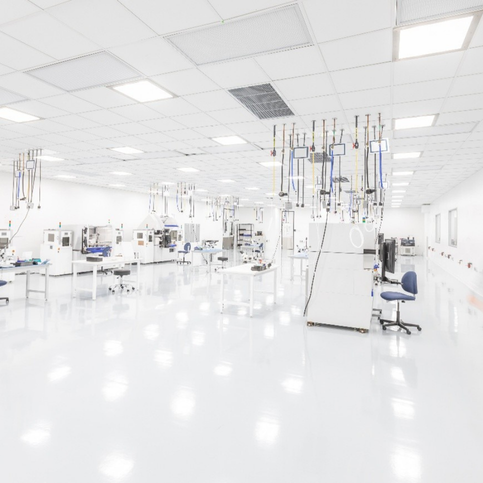
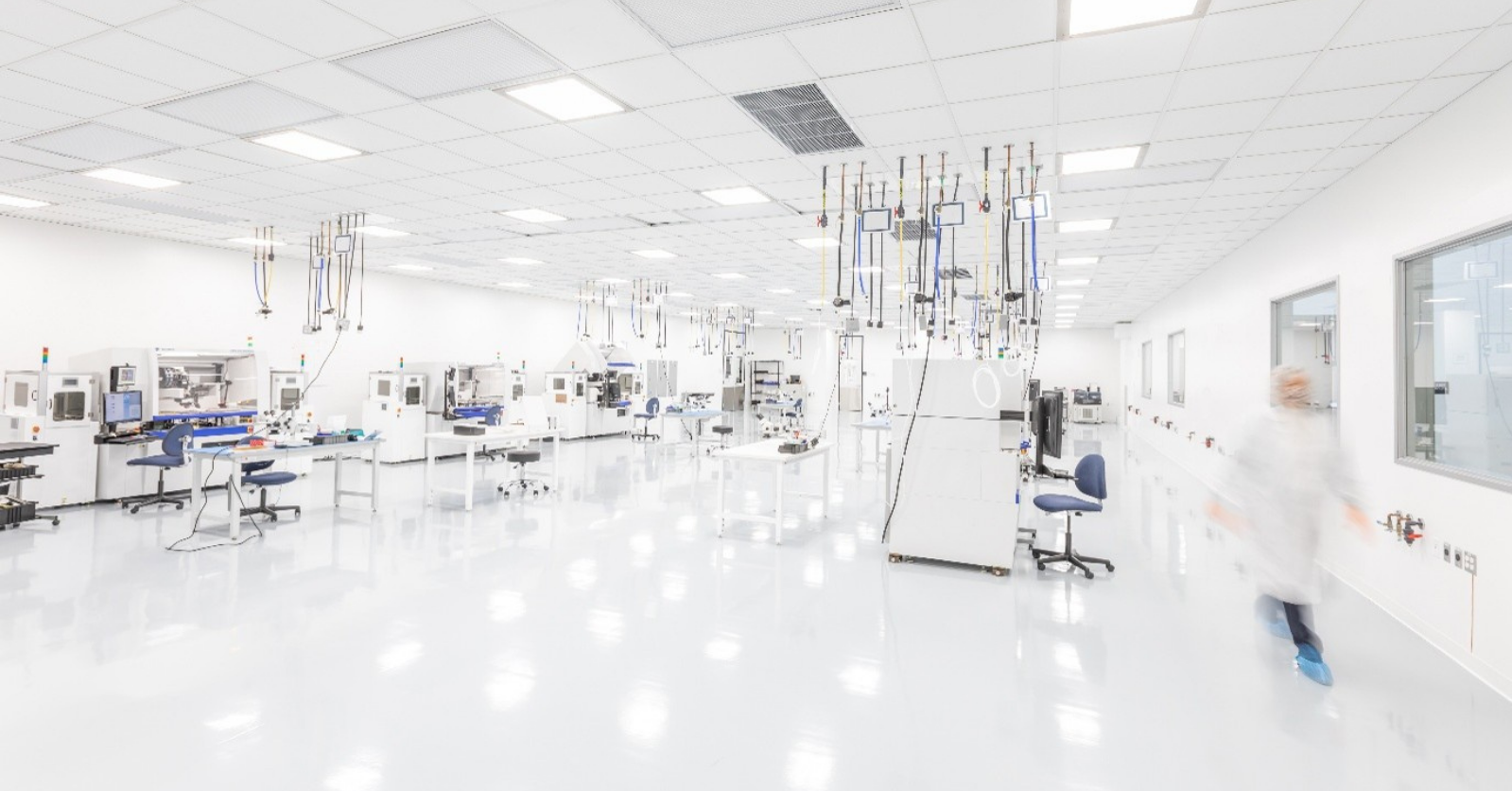
Cleanrooms are often described as technical requirements, but they are better understood as spaces designed around what happens inside them. Whether used for pharmaceutical manufacturing, biotechnology research, medical device production, advanced technology, or compounding pharmacies, their core purpose is to manage risk.
That risk can take several forms: contamination of a product, disruption of a process, or exposure to personnel. In many cases, cleanrooms must address all three simultaneously. The primary concern or combination of concerns shapes cleanroom design, how it operates, and how it connects to the broader facility.
Rather than thinking of a cleanroom as simply a room with cleaner air, it is more accurate to see it as a carefully controlled environment. Air filtration systems remove particulates and microbes, while temperature and humidity are tightly regulated to support sensitive processes. Pressure relationships are established to control the direction of airflow, and surface materials are selected for durability, cleanability, and resistance to frequent disinfection. A cleanroom used for sterile drug production, for example, has fundamentally different requirements than one used for electronics manufacturing or compounding pharmacies, even if both are classified under the same general terms. The function defines the environment, not the other way around.
Regulation, Risk, and Real-World Use
Regulations influence cleanrooms, but they do not fully define them. Standards such as ISO classifications, pharmaceutical grading, and USP requirements establish performance expectations but do not dictate how work is done within the space. That distinction is critical.
ISO classifications, commonly used across industries, define allowable particle counts at specific sizes and help establish baseline cleanliness levels. Pharmaceutical environments introduce additional layers through Good Manufacturing Process (GMP) and cGMP requirements, as set forth by ISPE Guideline documents for use in federally regulated pharmaceutical cleanrooms, where Grades A through D reflect increasing levels of process criticality. Compounding pharmacies add further specificity through USP 797 and USP 800, which regulate compounding standards designed to protect patients from contamination and healthcare workers from hazardous drug exposure. While these systems often overlap, they are driven by different priorities: product sterility, patient safety, and personnel protection.
The challenge lies in translating these regulatory frameworks into spaces that function efficiently day to day. In pharmaceutical and compounding settings, higher-risk activities require tighter controls because the consequences of contamination, cross-contamination, mix-ups, or process deviations can directly affect product quality and patient safety. As risk increases, facilities must provide greater separation between activities, more stringent environmental controls, and more comprehensive monitoring to ensure products are consistently manufactured and handled within established quality standards. These needs influence how rooms are arranged, how pressure cascades from cleaner to less clean areas, how staff move through the facility, and how materials are introduced, stored, and removed.
If these operational realities are not considered early in the design process, a cleanroom may technically meet regulatory standards yet still function poorly. Inefficient layouts, awkward adjacencies, or unclear workflows can lead to workarounds that increase long-term risk. Good cleanroom design balances compliance with usability, creating environments that work both on paper and in practice.
Cleanrooms as Integrated Systems
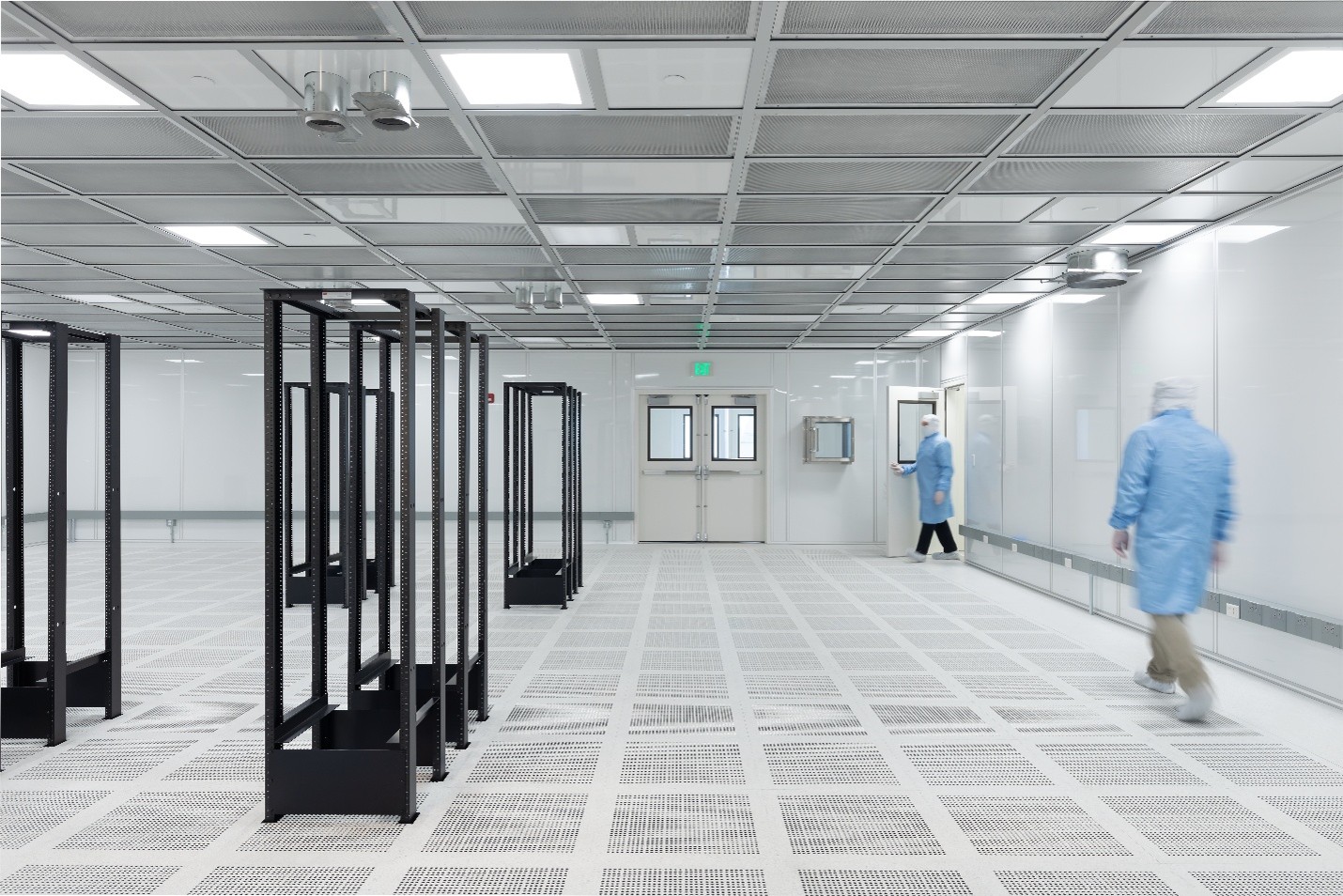
A cleanroom is not a standalone space; it is part of a larger, interconnected system. Its performance depends on the successful integration of mechanical systems, architectural detailing, operational procedures, and validation processes.
Air handling systems with HEPA or ULPA filtration must support controlled airflow patterns while maintaining consistent temperature and humidity. These conditions help prevent airborne particles from settling on sensitive products, support process stability, and reduce the risk of contamination. Pressure strategies, whether positive or negative depending on the application, create barriers that prevent contaminants from migrating between spaces. Finishes must withstand frequent cleaning and disinfection without degrading, helping maintain cleanliness standards over the long term, while controlled access limits unnecessary traffic that could introduce particulates and compromise cleanroom performance.
Process flow is a vital component of this system-based approach. Some cleanrooms rely on unidirectional movement of people, materials, and products to reduce contamination risk, while others allow bidirectional flow supported by stricter procedural controls. These decisions shape circulation paths, service corridors, gowning areas, and support spaces, often extending the influence of the cleanroom well beyond its immediate footprint.
Validation reinforces the importance of designing cleanrooms as systems rather than isolated rooms. In regulated environments, validation is the documented process of demonstrating that a cleanroom consistently performs as intended and maintains required environmental conditions. Achieving this requires continuous monitoring, defined gowning and operational procedures, contamination control protocols, personnel training, and routine maintenance of equipment and filtration systems. By considering these requirements early in the design process, project teams can reduce compliance risks and support reliable long-term performance throughout the facility’s lifecycle.
Designing for the Future
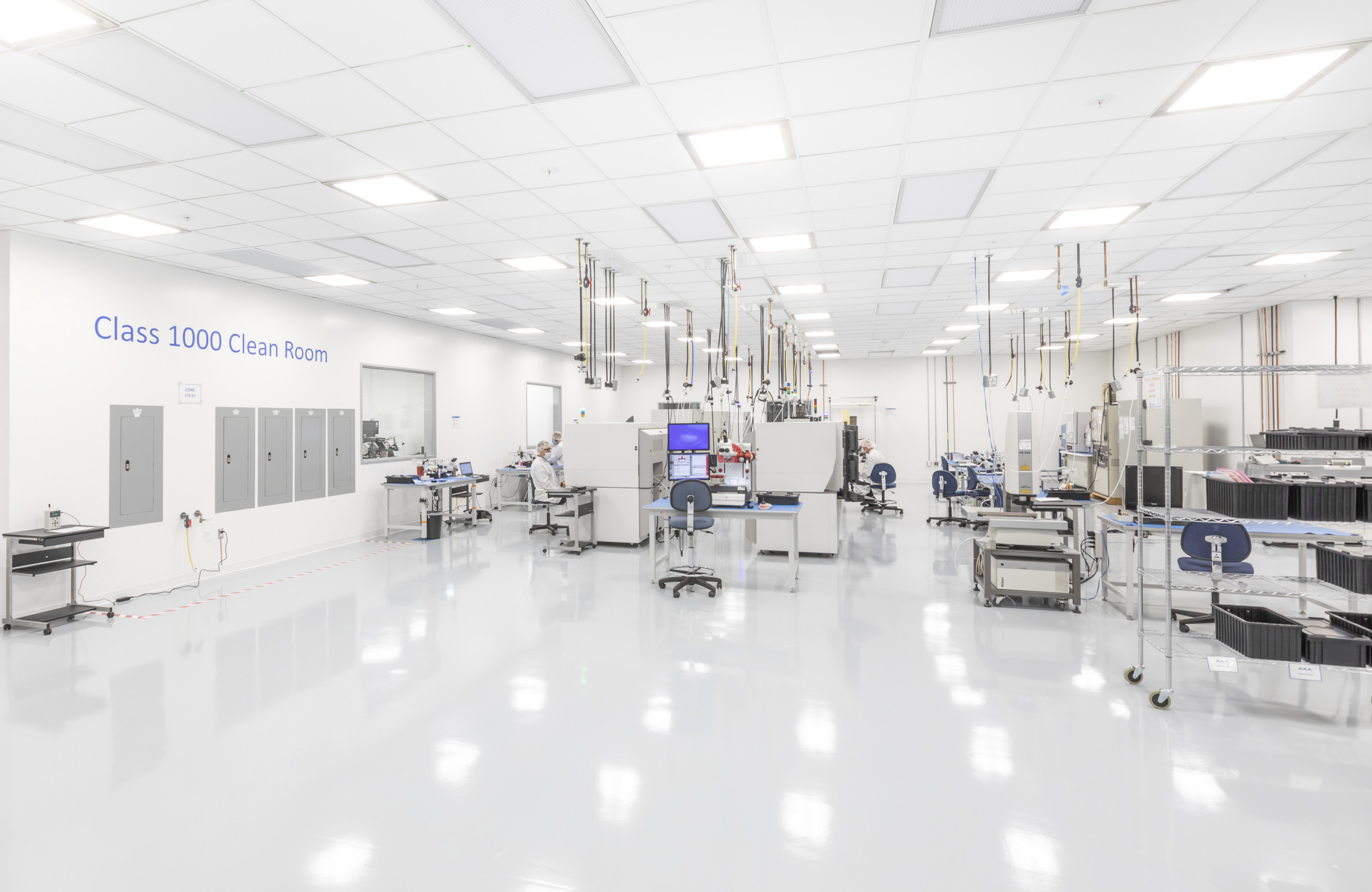
As science and manufacturing continue to evolve, cleanrooms are being asked to do more. Automation, emerging pharmaceutical processes, and increased specialization are driving higher equipment densities and more complex infrastructure demands. At the same time, organizations face pressure to move faster, scale more efficiently, and adapt to changing technologies and regulations.
Construction strategies reflect these competing priorities. Stick-built cleanrooms may offer lower initial costs but often require longer construction timelines and precise field execution. Modular cleanrooms allow for faster installation and easier reconfiguration, while podular cleanrooms, built and often validated off-site, offer high levels of quality control and rapid deployment, albeit with a higher upfront investment. Each approach represents a different balance of cost, schedule, and risk.
Regardless of construction method, flexibility is becoming essential. Cleanrooms designed solely around today’s processes may struggle to accommodate future change without significant disruption. The most effective cleanrooms are designed as long-term assets rather than fixed solutions, combining regulatory rigor with practical usability and the ability to evolve as science advances.
Cleanrooms are most effective when they are designed around both process requirements and operational realities. Integrating environmental controls, facility workflows, and validation considerations from the outset helps create spaces that support compliance, efficiency, and reliable long-term performance.