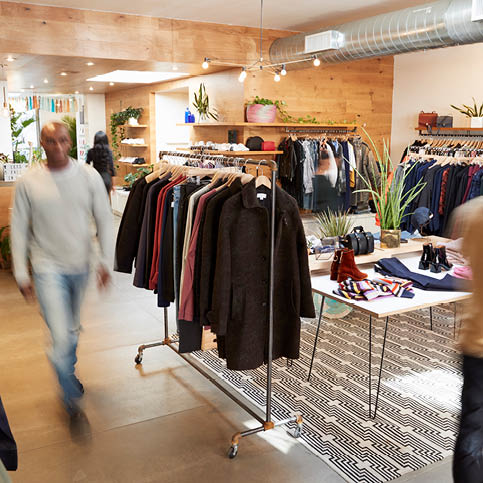
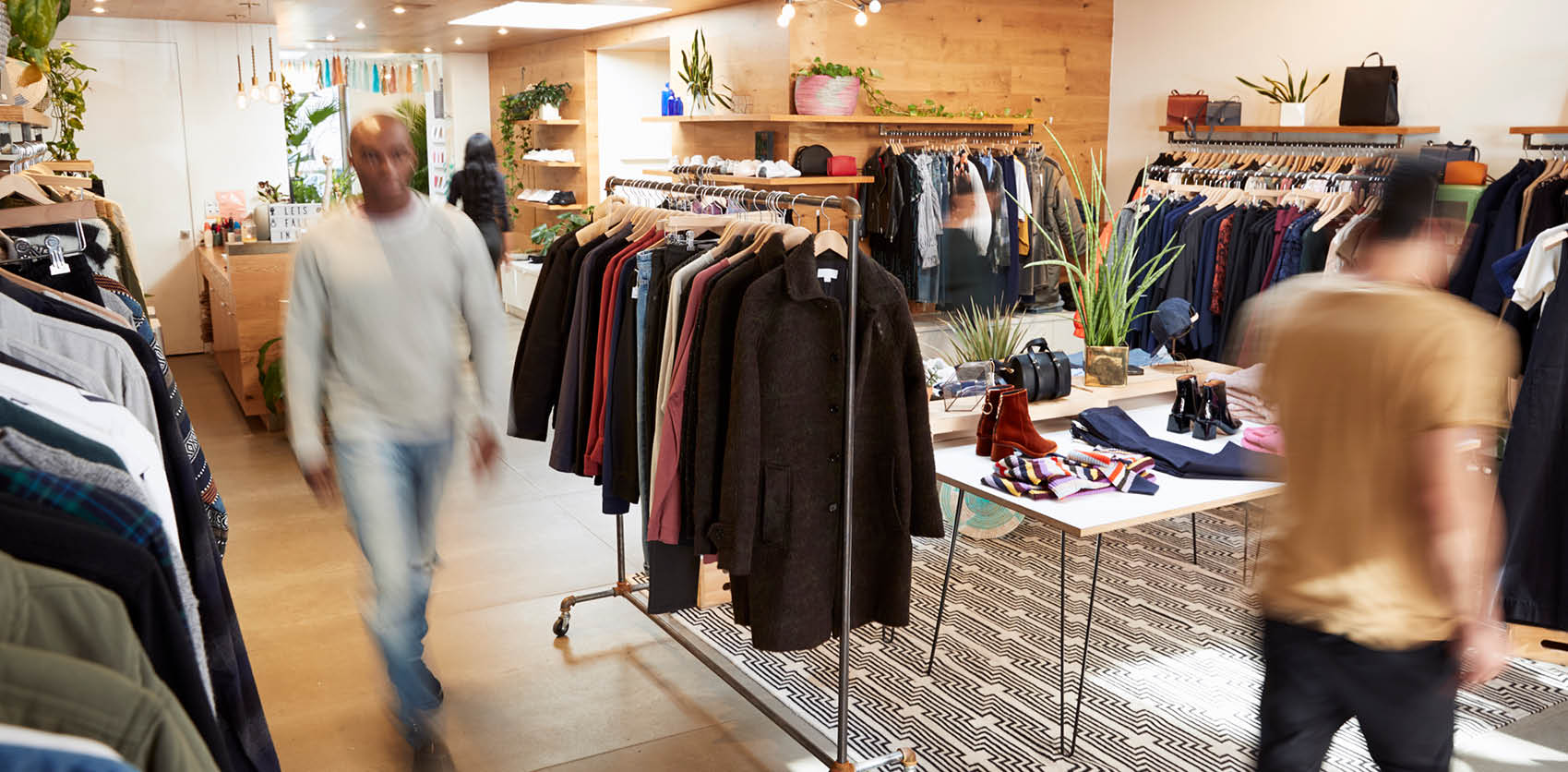
For years, retail data was treated as a diagnostic tool, something that explained conversions, identified bottlenecks, or highlighted what went wrong. Today the role of data has changed. The most innovative brands no longer treat analytics to interpret the past. Instead, data now acts as a creative material, a design input and a catalyst for imagination.
At Ware Malcomb, we are seeing this shift firsthand. Through data collected across thousands of projects and emerging spatial intelligence technologies, retail design teams can move beyond reacting to customer behavior and begin anticipating it.
From Optimization to Inspiration
Most retailers still apply analytics reactively. They adjust a layout only after traffic flow is poor, refine a product strategy only after it underperforms or troubleshoot sales only once numbers dip.
Leading brands take a different approach. Brands are analyzing a blend of quantitative and behavioral data, including point-of-sale transactions, dwell time and traffic flow analytics, social media trend signals, loyalty program insights, and third-party consumer research. This mindset fuels fresh, culturally relevant environments built around how customers behave and what they desire.
This data is gathered through multiple channels, including in-store sensors and footfall tracking, e-commerce and CRM platforms, social listening tools, and post-visit surveys. Insights are captured continuously across the customer journey. From pre-visit digital engagement to in-store behavior and post-purchase feedback, allowing teams to inform both early concept design and ongoing store optimization.
Customer Insights as Environmental Design Inputs
Designing a store today means designing a holistic experience. Customer insights reveal how people shop, socialize and express identity. When interpreted creatively, these insights become powerful design foundations.
Industry research consistently shows that experiential retail environments drive higher dwell times, increased engagement, and stronger conversion rates compared to traditional formats, reinforcing the value of designing for experience. Sculptural mall pop ups, surprise locations and curated temporary activations are all driven by data that helps determine where, when and how to deploy them. Metrics now focus on emotional engagement rather than foot traffic alone.
This also aligns with broader questions around the future of malls and the need to create compelling reasons for people to return to physical retail environments. Such as immersive brand activations, integrated food and beverage concepts, wellness offerings, entertainment-driven retail, and community-focused programming that transforms malls into multi-purpose destinations rather than purely transactional spaces.
Examples include:
- Pop up activations tied to fast moving microtrends, supported by the amplification power of TikTok and Instagram.
- Attainable luxury moments that can be shared such as visiting branded cafes or lounge like shopping areas that make the in-store environment feel elevated and immersive.
- Lifestyle driven retail ecosystems where the store becomes one piece of a broader branded universe.
Behind the Insight: The Rise of Spatial Intelligence
A critical addition to the modern retail toolkit is spatial intelligence. Real-time sensor technology and tracking tools capture not only how many people visit a store but how they actually move through it.
Modern spatial intelligence combines LiDAR, occupancy sensors, geospatial analytics, and behavioral data to reveal not only where customers go, but why they move through a space the way they do.
These tools reveal:
- Natural congregation points
- Traffic flow patterns
- Underutilized zones
- Friction locations
- Adjacency opportunities
Imagine a retailer discovering through spatial analytics that customers consistently bypass a high-margin product zone. Rather than waiting for declining sales reports, the retailer can proactively redesign the environment, reposition product adjacencies and improve visibility before revenue is impacted.
Data as a Proactive Spatial Strategy
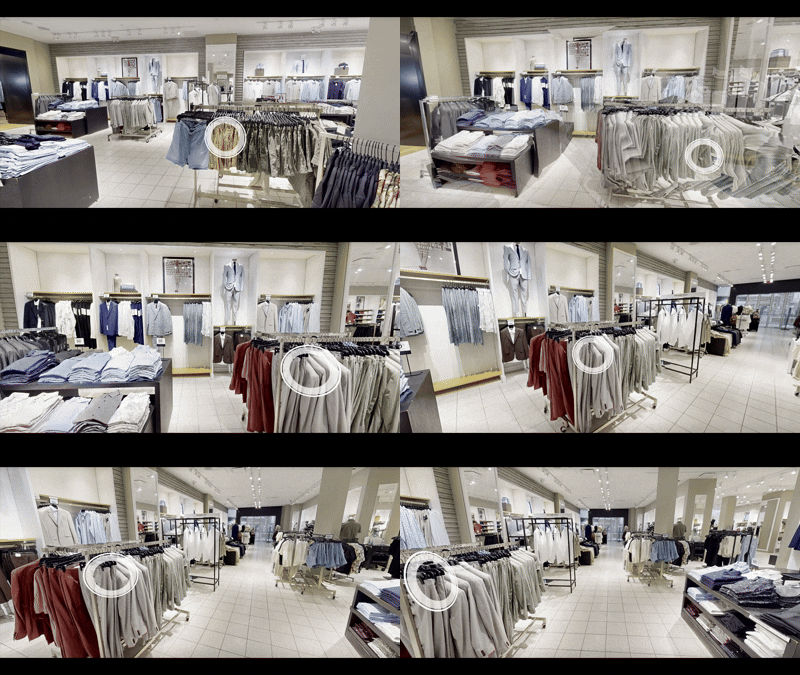
Instead of reviewing problems after a project is complete, leading design teams now use data to anticipate challenges and opportunities before they materialize. Large-scale datasets collected across thousands of projects can be used to reveal patterns in cost, timing, and user behavior, allowing teams to flag risks early and design with greater precision.
This predictive mindset is rapidly transforming retail environments. Data is no longer just a tool for understanding performance; it is becoming a framework for shaping what comes next.
Predictive store planning enables brands to model how a space will function before it is built or reconfigured. By analyzing historical performance, spatial behavior, and comparable environments, design teams can test layouts, adjacencies, and circulation strategies in advance, reducing uncertainty and accelerating smarter decision-making.
At the merchandising level, AI-assisted planning tools are helping retailers curate product placement in more dynamic ways. These systems can identify emerging product affinities, recommend adjacencies, and adjust displays based on shifting customer preferences, ensuring stores remain relevant even as behaviors evolve.
Data also plays a critical role in location intelligence. Beyond traditional demographic analysis, brands now leverage mobility data, regional spending patterns, tourism trends, and digital engagement signals to determine where stores should be located and how they should perform within their specific context. This creates environments that are not only brand-aligned, but market-specific.
Layered onto this is regional trend forecasting, which allows brands to respond to cultural shifts at a localized level. From microtrends amplified through social platforms to seasonal behaviors driven by climate or events, this insight informs everything from store programming to activation strategies.
Together, these tools allow brands to forecast needs, evolve store layouts early, and gain clarity about future behaviors long before they appear in sales reports. The result is a more agile retail environment. One that can adapt in real time, remain culturally relevant, and continuously align with customer expectations.
Moving from Reactive Analytics to Proactive Personalization
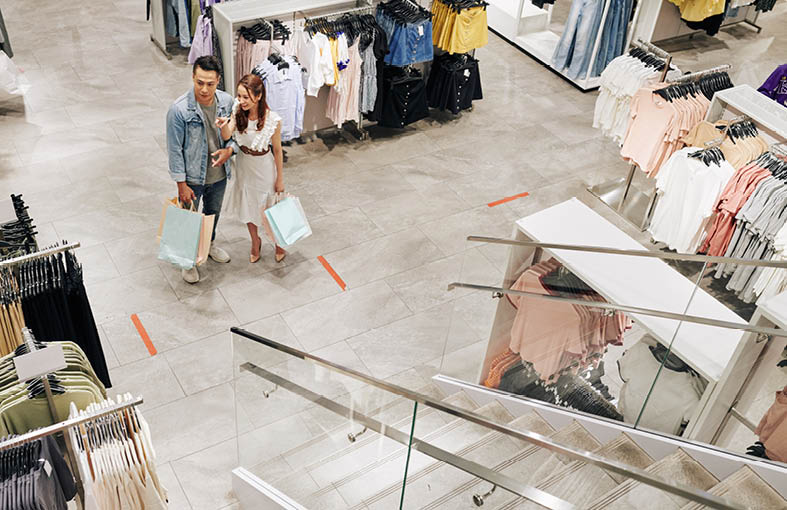
Retail’s future lies in personalization that anticipates rather than reacts.
Examples include:
- Predictive curation based on lifestyle patterns rather than past purchases
- Timely pop ups and brand takeovers launched at the moment a cultural wave begins to rise
- Adaptable spatial models that allow stores to pivot according to real time data
- Localized luxury activations tailored to seasonal travel, major events or market specific trends
In this environment, data becomes a strategic material, not a statistical output.
Learning from What Has Worked and What Has Not
Much of the industry has moved on from once popular technologies such as smart mirrors or early metaverse experiments. These were valuable tests, but few became long term consumer habits. Instead of repeating familiar narratives, retailers today focus on what has sustained interest and what is emerging next.
Event style retail is a strong example. Gamified and scarcity driven activations such as destination based product drops have proven effective. They blend exclusivity, community and novelty, which remain powerful motivators.
This approach gives retailers a relevant and practical framework for future strategy.
As retailers redefine what it means to create meaningful customer experiences, the real opportunity lies in using data not just to analyze the past, but to design the future. As Katy explored in her earlier Rethinking Retail blog, the future of retail hinges on creating human‑centered experiences and data is the catalyst that brings those experiences to life. When insight and imagination work together, brands can craft environments that feel personal, intentional, and emotionally resonant. At Ware Malcomb, we help retailers translate insights into environments that are purposeful, human centered, and emotionally resonant. We blend analytics, spatial intelligence, and design strategy to create spaces that evolve with customer expectations.
The future of retail will belong to brands that can anticipate needs before customers articulate them. Data alone will not create that future. The combination of insight, spatial intelligence, and human-centered design will. When data becomes a design tool rather than a reporting tool, retail transforms from reactive transactions into meaningful experiences.