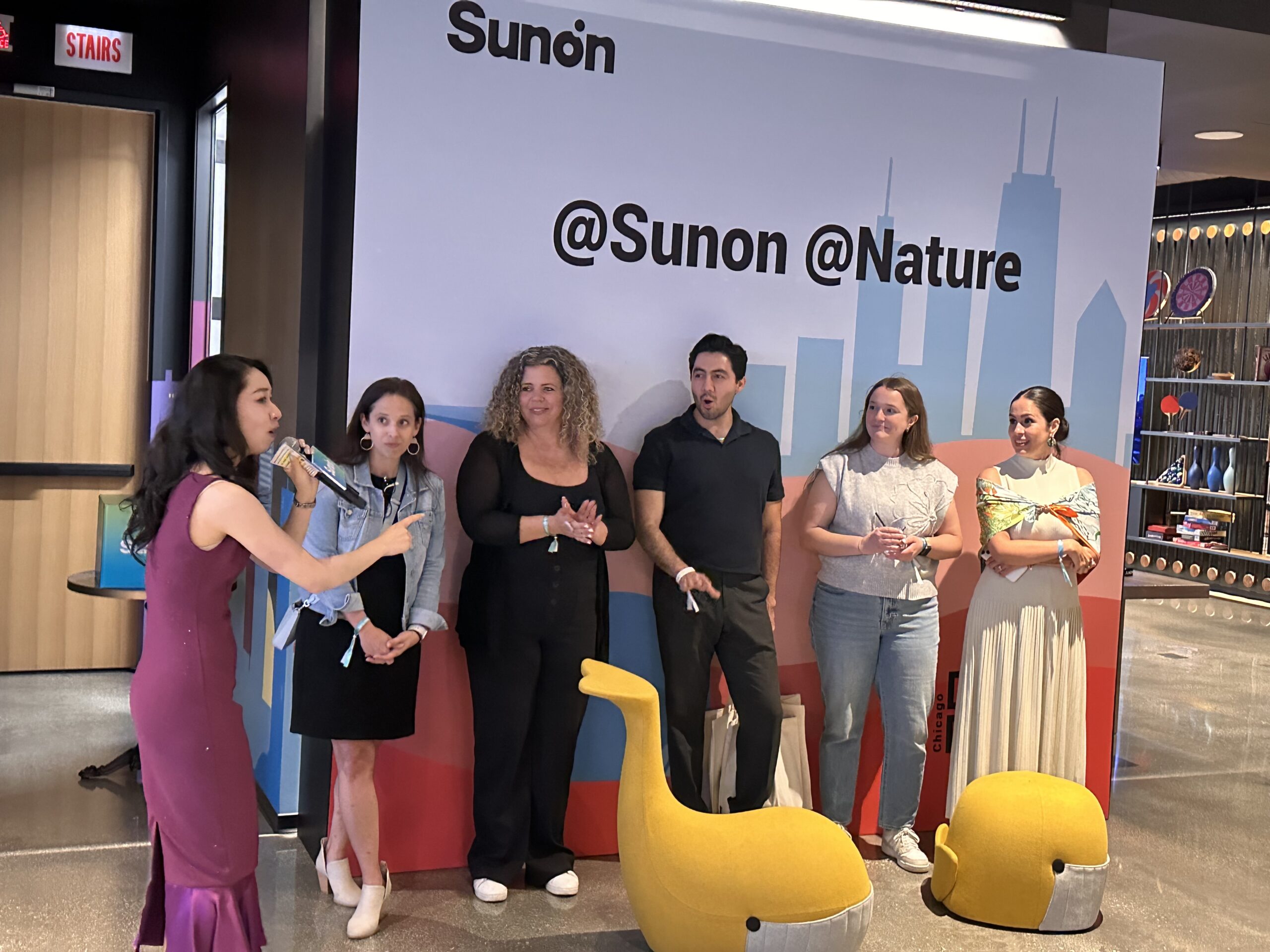
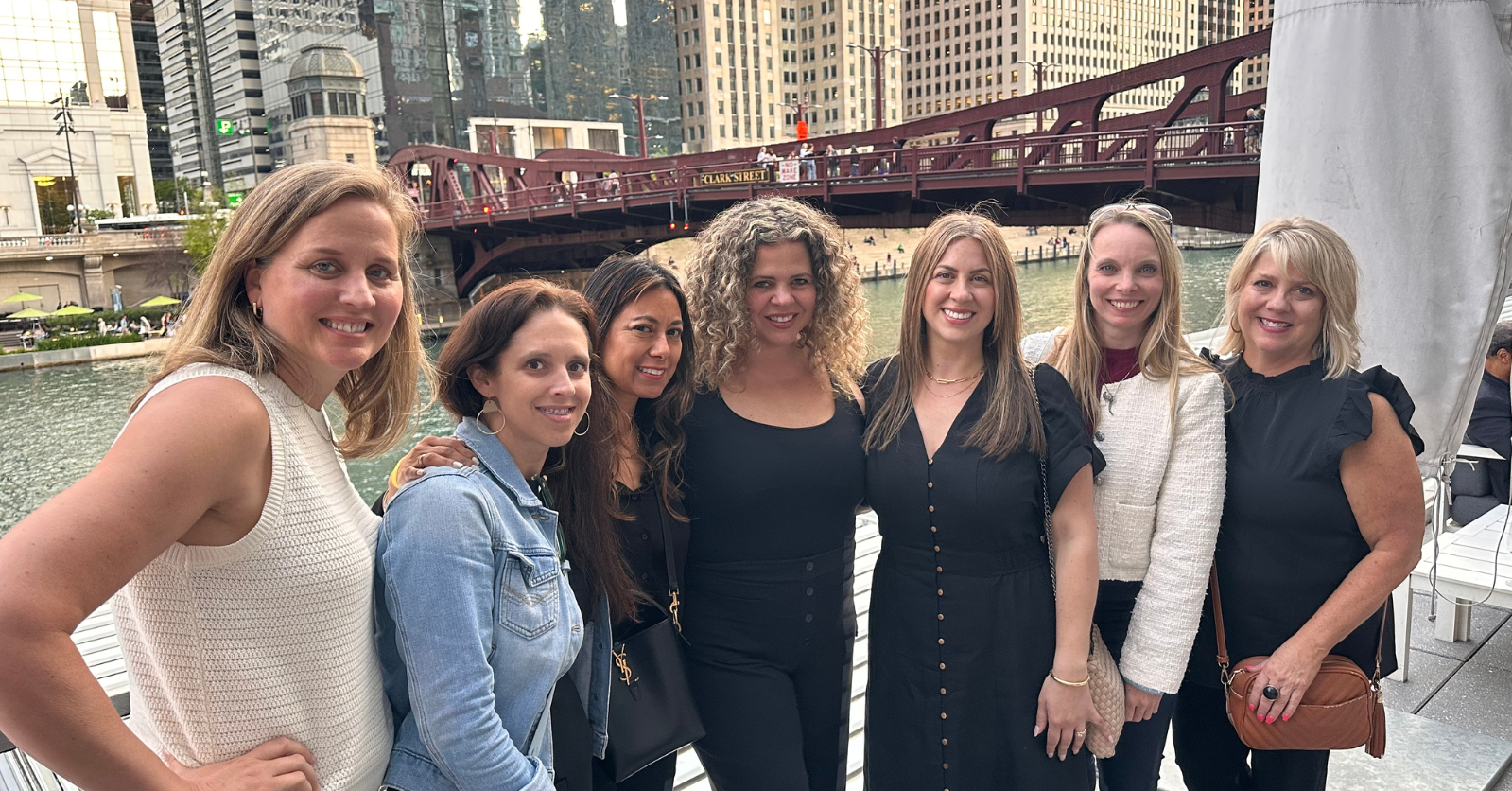
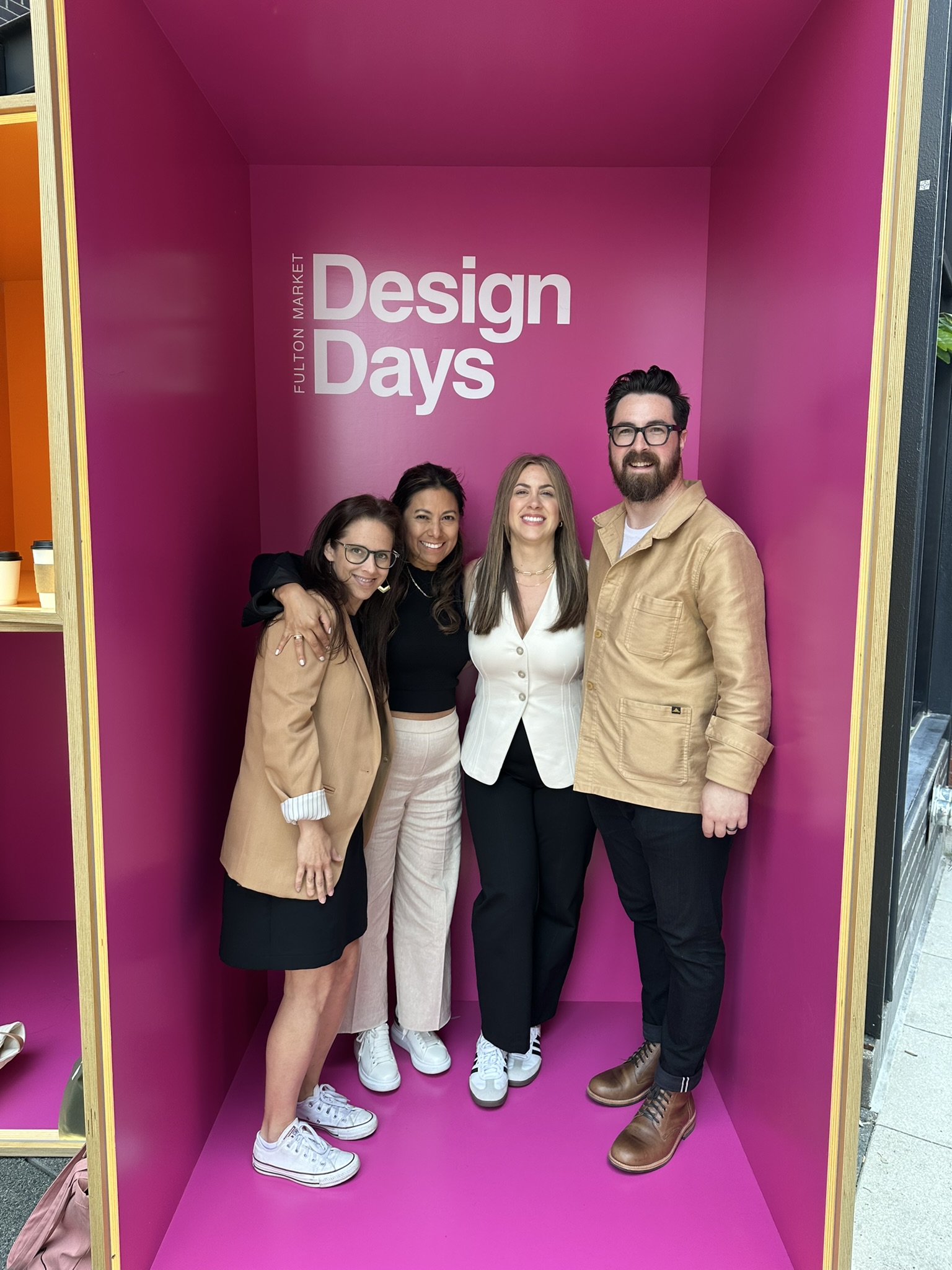
NeoCon and Design Days are two major industry events held annually in Chicago over the summer, showcasing the most influential advancements in commercial and workplace design. These events bring together the latest products, technologies, and thought leadership in one place, making it easy to explore innovations, ask questions, and stay current. The event explored the freshest design trends – some bold, some subtle, and a few that are clearly here to stay.
Designing for Global Innovation
Workplace design continues to evolve, with a growing emphasis on inclusivity, emotional wellness, and flexibility.
Products such as Nienkämper’s Una height-adjustable conference table, which conceals cables within its legs, maintain a clean, streamlined aesthetic at any height. ADA-accessible phone booths now ensure privacy for all users, including those with mobility needs. Pet-friendly furniture, such as desks with extendable pet beds, supports emotional comfort at work.
Design strategies also incorporate multi-sensory elements, biophilic textures, greenery, and quiet pods to reduce stress and encourage connection in a calm, inclusive, and adaptable environment.
Designing for Emotional Health, Inclusivity, and Neurodiversity
Emotional well-being is becoming a central focus in workplace design. Backed by neuroscience, elements like fractals and biomimicry, the practice of drawing inspiration from nature’s forms calms the nervous system and brings the soothing essence of the outdoors inside. Therefore, incorporating design elements such as carpet patterns that resemble tree bark effectively encapsulates the natural beauty of the outdoors.
Allowing individuals to control their environment also enhances comfort and autonomy. Features such as preset lighting, adjustable task lights, personal comfort items (like headphones or blankets), and even personal batteries for device use all contribute to this sense of control.
Versatile furniture layouts, featuring a range of seating options, ottomans, and varied tabletop heights, allow users to select spaces that best fit their tasks and preferences. The goal is to create spaces that adapt to people, not the other way around.
Designs to Support Office Employees
As more companies transition back to in-person work, designers are reimagining offices to support both employee well-being and business productivity. Sensory design elements, such as soft textures, warm lighting, and quiet zones, help reduce stress and promote a sense of calm.
This year’s color palette moves beyond traditional neutrals, embracing rich, bold hues like purples, maroons, and forest greens. Natural lighting, biophilic elements, and tactile materials such as tapestry and textured carpet bring a sense of serenity to the workplace.
Multifunctional and Adaptive Furniture
Modular seating promotes collaboration, while sensory rooms provide a space for relaxation. Today’s furniture is designed for quick reconfiguration, featuring soft edges and human-centric features such as adjustable seating and working arrangements.
BuzziSpace has taken these ideas and brought them to life by designing an open office environment table built for optimal focus, productivity, and collaboration.
With bar-height, counter-height, and lounge-style seating available, employees can choose the setting that suits them best. In the modern workplace, flexibility is not optional; it’s essential. Thoughtful design now strikes a balance between collaboration, comfort, and emotional well-being.
AI and Emerging Technology
Technology continues to transform workplace design, embedding seamlessly into sustainable, human-first solutions.
At NeoCon, attendees explored innovations like Nura Space, a real-time sensor platform that tracks desk use, meeting room activity, and visitor flow to improve efficiency. Tools like Claris Link, a multi-touch digital glass board, integrate with Microsoft Teams and Zoom to enhance collaboration.
Furniture is also evolving, with AI-enabled desks and chairs that adapt in real time to user behavior and ergonomic needs. Across the board, AI is helping to create intelligent, emotionally supportive, and flexible workplaces that respond to employees’ evolving expectations.
Sustainability: Powering Tomorrow, Protecting Today
Sustainability is no longer a trend; it has become a core value in workplace design. New research reveals that interior designers and architects can have a greater impact on climate change than previously understood.
Today, products are evaluated not only for innovation and aesthetics but also for environmental responsibility. Criteria include material transparency, recyclability, energy efficiency, low VOC emissions, and third-party certifications such as BIFMA, which sets safety, performance, and sustainability standards for furniture.
The evaluation process involves hands-on product testing and close collaboration with manufacturers, ensuring every material and product contributes to a more sustainable built environment.
Inspiring Innovation Through Shared Learning
Despite our diverse cultural backgrounds, design is our shared language. These events allow us to learn together, stay aligned on emerging trends, and make informed design decisions. Research shows that people in urban areas spend approximately 90% of their time indoors, which emphasizes the impact interior designers have on well-being and sustainability through the products we specify.
As part of WM’s ongoing commitment to professional development and design excellence, we are proud to support our team’s participation in leading industry events. These experiences empower designers to broaden their perspectives, stay inspired, and bring fresh, innovative ideas to our work.