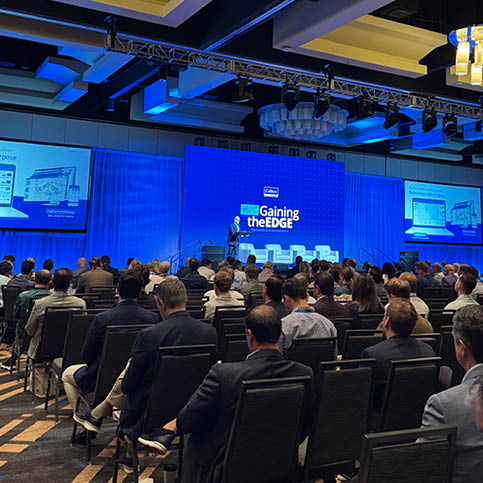

The industrial real estate sector continues to prove itself as one of the most resilient asset classes in commercial real estate. At this year’s Colliers National Industrial Conference (NIC), industry leaders shared their outlook on where the market is headed, highlighting opportunities, challenges and trends shaping the landscape.
Industrial Outlook: Resilient and Growing
Despite broader economic headwinds, the industrial market continues to demonstrate strong fundamentals. Market activity is showing signs of improvement, and growth is sustained across several regions. Investors and developers alike continue to view industrial as a long-term value driver.
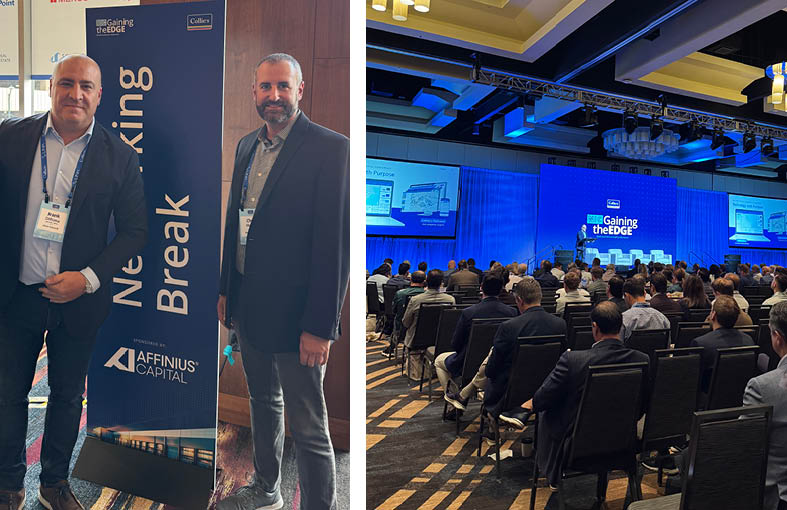
High-Growth Markets & Portfolio Transactions
Several regions are emerging as strategic hubs for industrial expansion, driven by logistics, infrastructure, and tenant demand. Leading the way are:
- Chicago
- Northern New Jersey
- Salt Lake City
- Dallas
Adding to the momentum, billion-dollar industrial portfolio transactions are gaining traction, with Dallas leading notable deals that signal strong investor confidence and liquidity in the sector.
Comparative Performance Across Sectors
While multifamily continues to lead transaction volume, the industrial sector remains development-driven, with a strong focus on land positioning and tenant mix. Although deal volume may be lower compared to multifamily, industrial assets often carry larger market caps and greater potential for long-term value creation.
Tier-One Inland Markets on the Rise
Inland markets are seeing success, especially in logistics-heavy regions. While California remains a long-term favorite, momentum is building in central U.S. markets thanks to cost advantages and strong infrastructure.
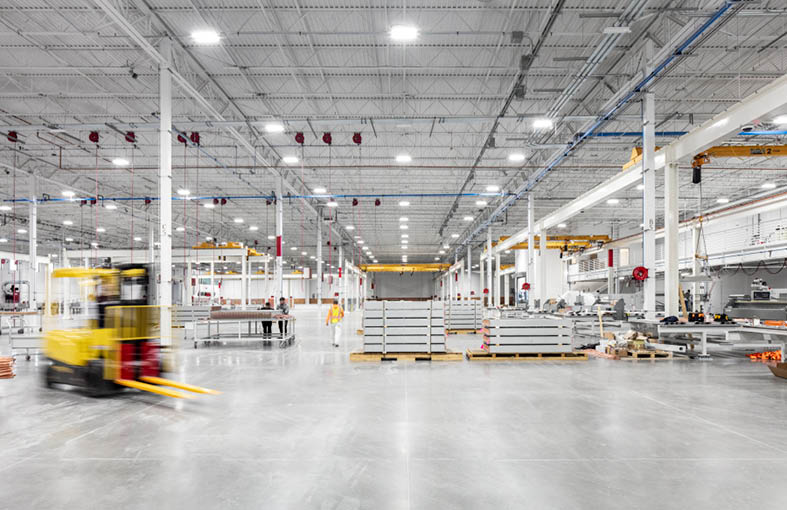
Tenant Shifts: The Influence of Asian 3PLs
Another notable trend is the rise of Asian third-party logistics (3PL) firms, particularly from China, reshaping tenant profiles along the West Coast. While this brings new opportunities, developers are approaching these tenants cautiously due to geopolitical and investment considerations. The need for deeper tenant due diligence, including network analysis and ownership transparency, is greater than ever.
Manufacturing & Reshoring
Reshoring and nearshoring are gaining traction both politically and economically, as more conversations focus on bringing manufacturing back to North America. However, execution is complex and depends on factors such as:
- Labor availability
- Port access
- Infrastructure capacity
- Regional incentives
The return of manufacturing requires strategic long-term planning and investment to be viable at scale.
Speculative Development Trends
Speculative (spec) development is cautiously advancing, particularly across the West Coast and key markets like Chicago, Dallas, and Houston. Developers are moving away from a volume-driven approach and are becoming more selective, prioritizing tenant quality and market dynamics.

Looking Ahead
From the rise of inland markets to evolving tenant profiles, the industrial real estate sector is undergoing important shifts that will define the years ahead. While multifamily continues to dominate in transaction volume, industrial remains uniquely positioned for resilient long-term growth, thanks to its role in global logistics, strategic manufacturing shifts, and investor confidence.
Industrial design is a core expertise for Ware Malcomb. We are industry-recognized thought leaders in several industrial asset classes, including multistory industrial/urban industrial and cold buildings. For the 6th year in a row, Ware Malcomb is ranked #1 in BD+C Magazine’s 2024 Top A/E Firms list for the industrial sector.
To learn more about our Industrial portfolio, click here.