As industrial real estate continues to evolve, interior architecture and design is emerging as a critical strategic differentiator. Once considered peripheral to the core function of industrial buildings, the workplace is now central to how these facilities operate, how tenants and employees experience them, and how investors and developers value them. JLL’s Q3 2025 report shows industrial leasing up by ~12% year-over-year in the US, with strong investor focus on the Sun Belt and other strategic markets. The increase in landlord-investor interest is primarily driven by properties that provide office components and an enhanced tenant experience, even in industrial buildings.
The design of the industrial workplace is transforming. This shift reflects broader changes in tenant expectations, operational complexity, and the role of industrial buildings within urban and regional ecosystems. Some recent examples include Schneider Electric, located in Milton, Ontario – a 90,000-square-foot industrial fit-out with an XSF workplace within a net-carbon-zero facility that converted a heat-pump system to electrification. The office features vibrant green accents, warm wood accents for indoor canopies, acoustical felt fixtures and treatments, and ergonomic height-adjustable workstations to elevate the employee experience, attracting talent to the workplace.
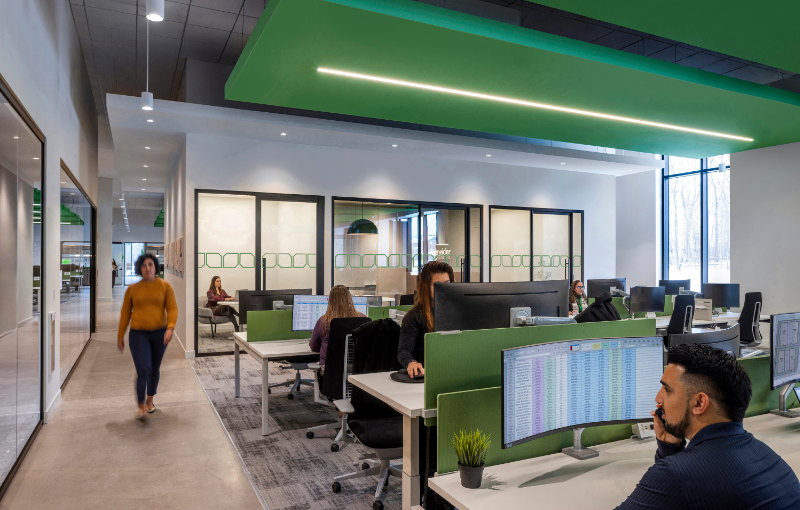
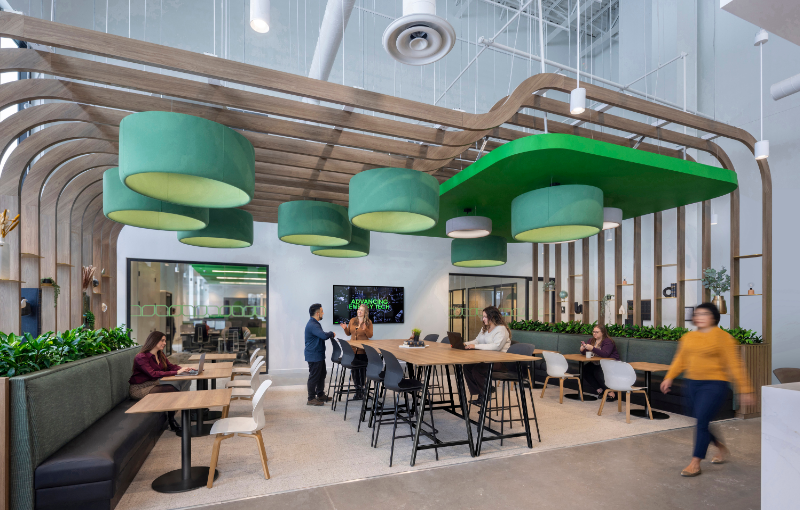
Schneider Electric – Milton, ON
Designing for Flow: Layout as a Performance Driver
Operational efficiency begins with spatial intelligence. The layout of an industrial facility, including how work zones, loading docks, and circulation paths are organized, has a direct impact on throughput, safety, and employee well-being. For example, warehouse staff should have access to restrooms, locker areas, and first aid rooms within close proximity to the warehouse perimeter, avoiding long distances to traverse the administrative spaces.
Effective design starts with understanding workflows before final design is complete. It requires a detailed analysis of how materials move, where people congregate, and how equipment interacts with space. A well-considered layout minimizes travel distances between key areas, reduces fatigue, and supports productivity.
Regulatory frameworks reinforce this principle. In the United States, the International Building Code (IBC) requires restrooms to be located within 500 feet of work areas. In Canada, the National Building Code (NBC) is more stringent, mandating a maximum distance of 60 meters (approximately 200 feet) and requiring restrooms to be no more than one floor above or below the work zone. These requirements underscore the importance of proximity, not only for compliance, but for comfort and operational efficiency.
Flexibility as a Core Design Principle
Industrial facilities are no longer static environments. Tenants increasingly expect spaces that can evolve to meet changing operational needs, whether that involves integrating automation, expanding production lines, or reconfiguring zones for hybrid use.
Designing for flexibility means incorporating modular wall systems, movable partitions, and scalable infrastructure. These elements allow spaces to be reconfigured without major renovations, supporting both short-term adaptability and long-term growth.
Human-Centered Design in Industrial Environments
Historically, industrial design has prioritized function over comfort. Today, that paradigm is shifting. The human experience is now central to how industrial spaces are conceived and executed. Ergonomic workstations, wellness zones, and access to natural light are no longer considered optional, they are expected.
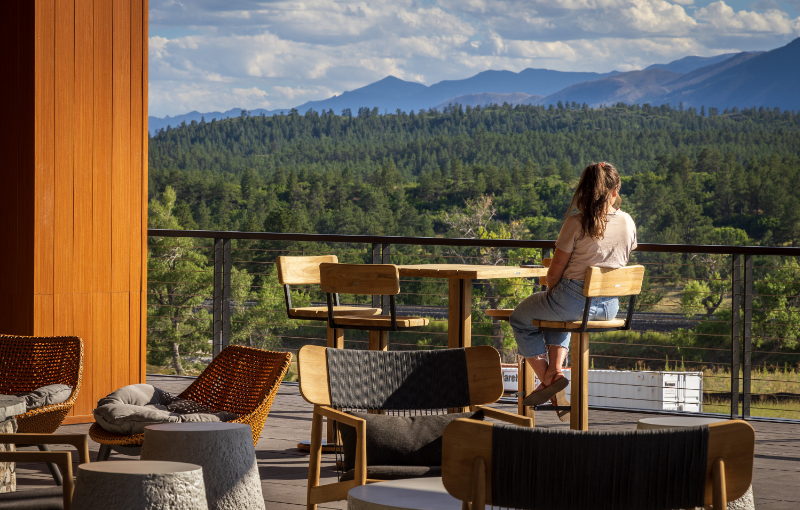
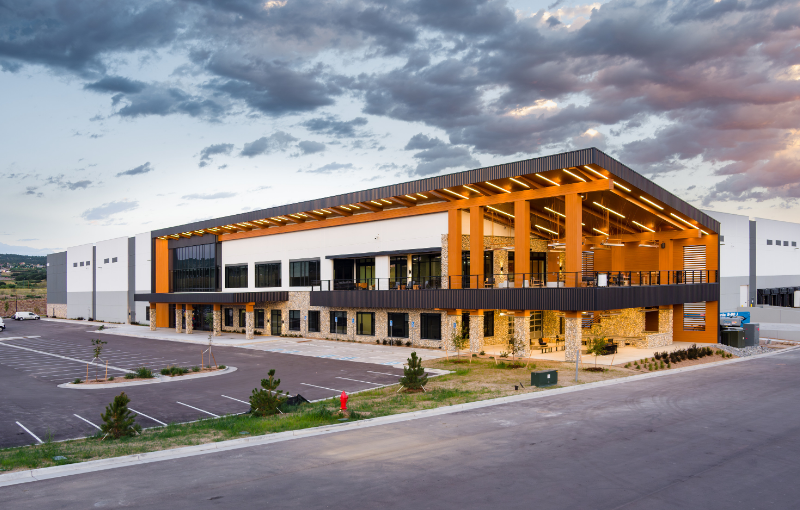
Eagle Rock Distributing Company – Monument, CO
Designing for people means considering how individuals move, rest, and interact with their environment. It means creating spaces that support mental and physical well-being, reduce turnover, and foster a sense of pride and belonging.
Key spatial recommendations include:
- Welcoming Reception: Traditional, formal reception or lobby areas are shifting to become ‘welcoming hubs’, taking various forms, such as cafes, lounges, or coffee bars. The intent is to provide a welcoming area for guests and staff to arrive, connect, and collaborate, while also boosting the company’s personality.
- Lunch Rooms: In facilities with both warehouse and administrative staff, separate but adjacent lunch areas can respect the distinct cultures and needs of each group while promoting inclusivity.
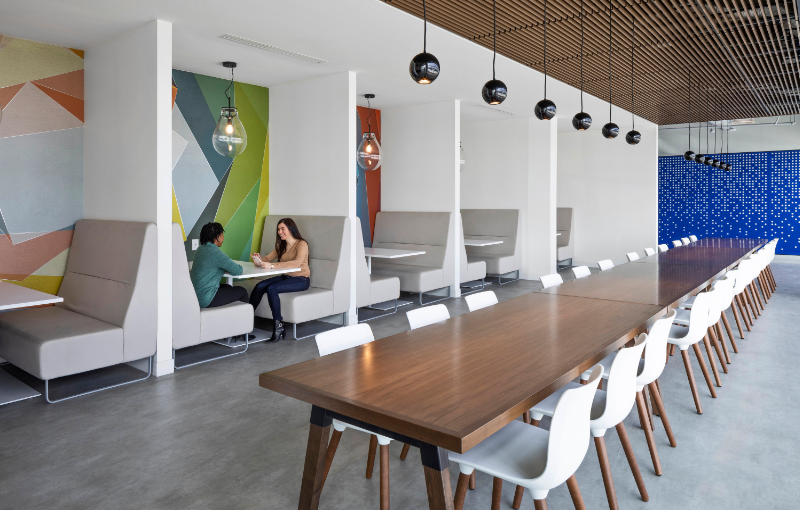
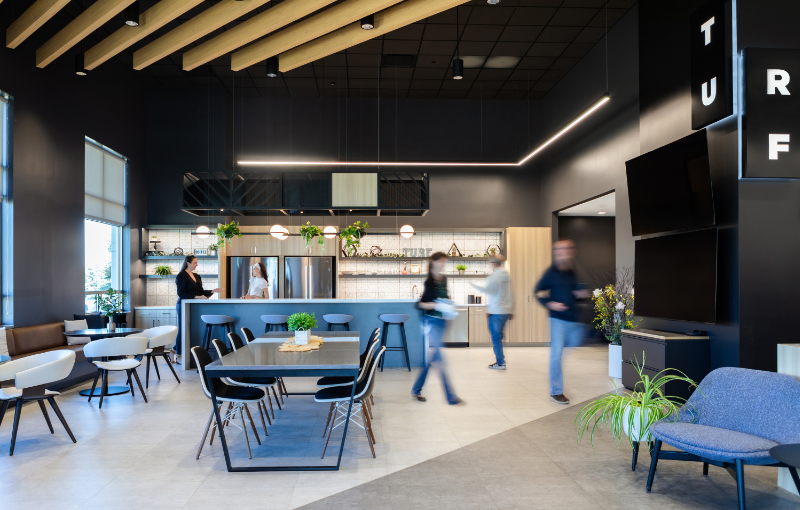
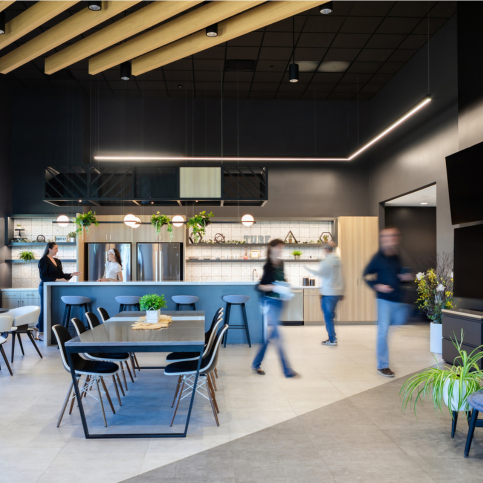
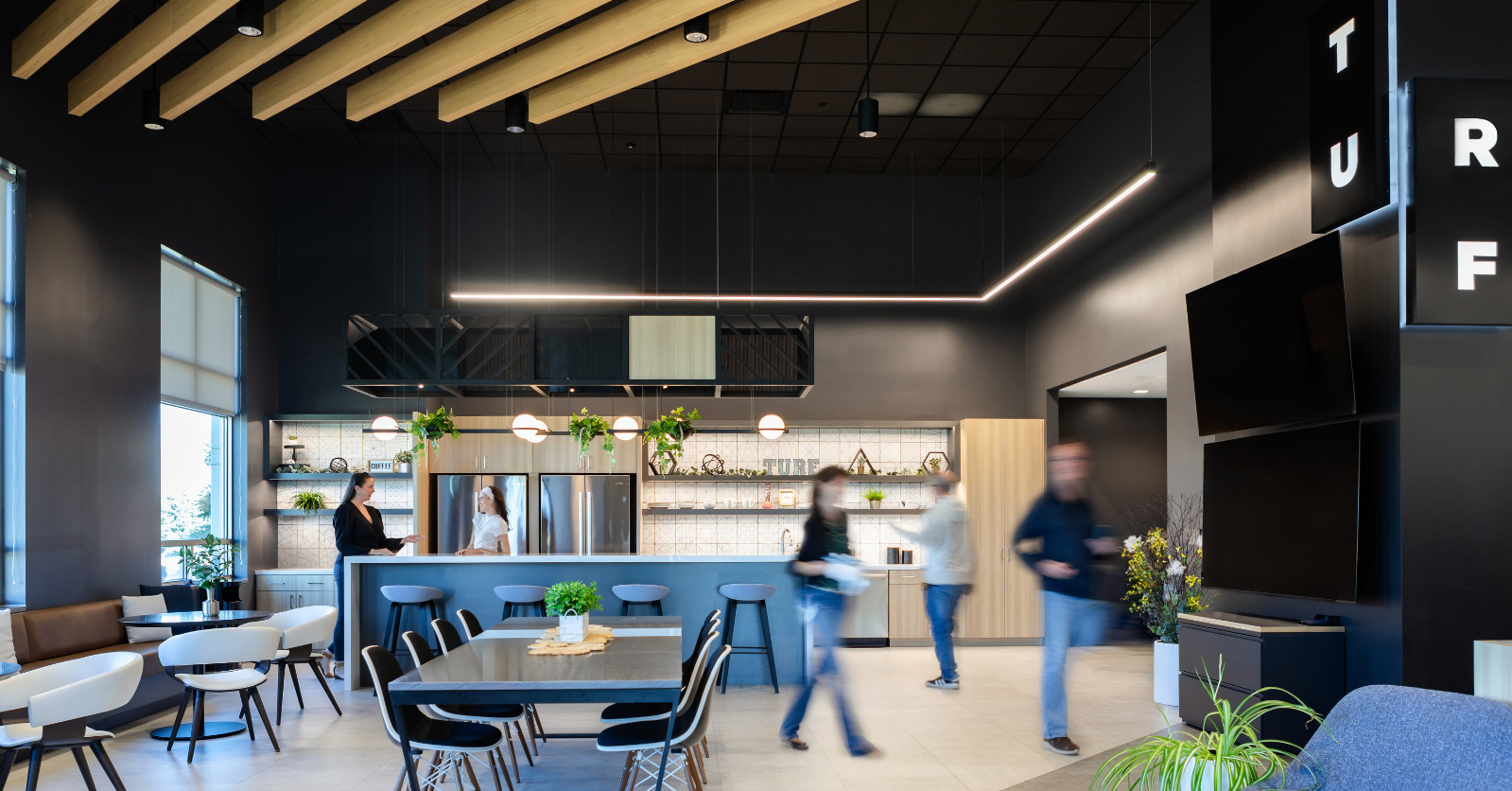
Combined Metal Industries – Vaughan, ON | Turf Design – Gilberts, IL
- Locker Rooms: These should be located near warehouse entrances and adjacent to restrooms, enabling efficient transitions between street clothes and work gear.
- Wellness Rooms: Quiet, private spaces should be accessible to all staff, ideally situated near administrative zones to encourage use without disrupting operations.
- Break Zones: Smaller break areas distributed throughout extensive facilities can reduce travel time and support short, restorative pauses. A strong example of the aforementioned elements is the recently completed Super Radiator Coils Office & Manufacturing Facility in Mesa, AZ. The 150,000 square-foot build-to-suit facility includes 18,000 square-feet of Class-A office. The facility incorporates wellness rooms, a lounge, locker areas, coffee bars, and branded interiors, all aimed at enhancing employee experience. By integrating logistics and corporate functions under one roof and prioritizing wellness through dedicated spaces for rest, collaboration, and focused work, the facility demonstrates that industrial environments can be both productive and humane.
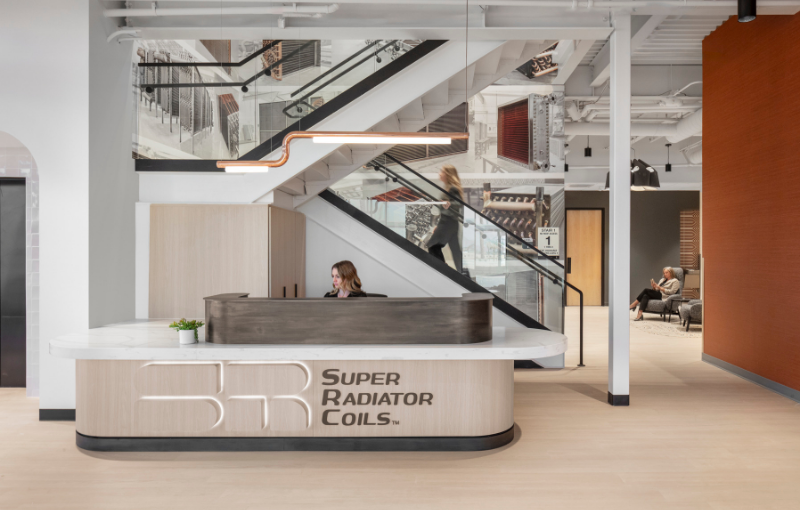
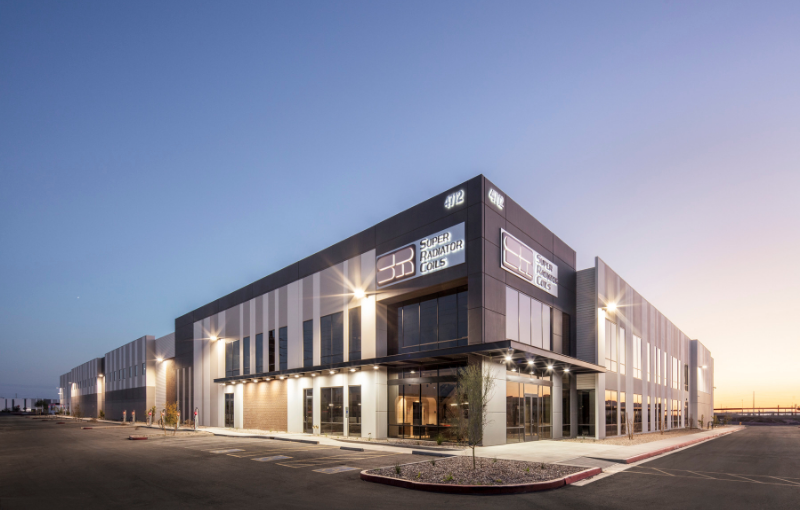
Super Radiator Coils – Mesa, AZ
Smart Interiors: Integrating Technology and Design
Technology is increasingly embedded in the fabric of industrial interiors. IoT-enabled systems, such as lighting, HVAC, and occupancy sensors, allow buildings to respond dynamically to usage patterns. These systems generate real-time data that can be used to optimize energy consumption, space utilization, and maintenance schedules.
For example:
- Lighting systems adjust automatically based on occupancy and daylight levels, reducing energy waste.
- HVAC systems respond to zone-specific activity, maintaining comfort while lowering operational costs.
- Occupancy sensors track movement and density, informing cleaning schedules, space planning, and staffing decisions.
This data-driven approach transforms interiors into intelligent ecosystems. It empowers facility managers to make informed decisions and provides tenants with environments that adapt to their needs.
Branding and Multi-Tenant Design
In multi-tenant industrial buildings, interior design must strike a balance between individuality and cohesion. Tenants seek spaces that reflect their brand identity, through color schemes, signage, and finishes, while benefiting from shared amenities and consistent wayfinding.
Effective strategies include:
- Centralizing shared amenities such as conference rooms and kitchens to foster community and reduce duplication.
- Using color-coded zones and clear signage to simplify navigation and enhance safety.
- Implementing access control systems that support both shared and private areas, ensuring security without sacrificing flexibility.
Gillespie Field iPark, El Cajon, CA – The 380,000 square-foot is a combined manufacturing and speculative distribution space. It includes a two-story lobby, mezzanine offices, conference rooms, break areas, technical labs, and climate-conditioned interiors, all inspired by aviation themes. With a layout that supports both logistics and culture, the facility reflects the brand’s values while delivering operational excellence.
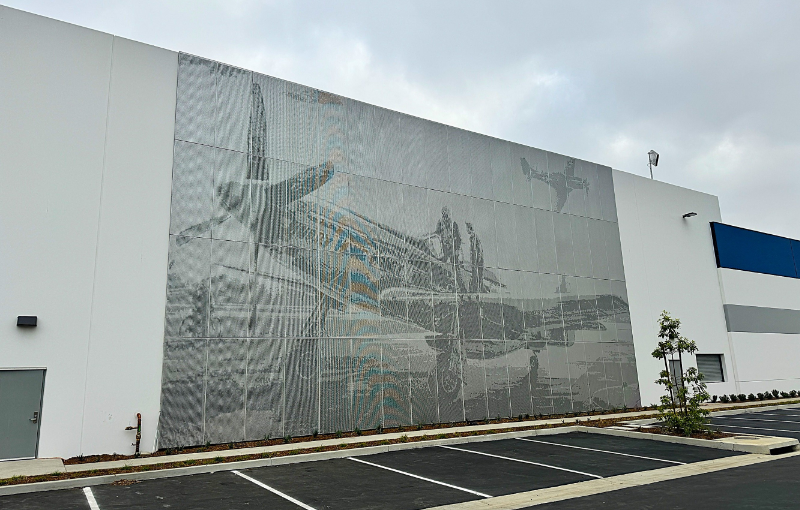
Gillespie Field iPark – El Cajon, CA
Looking Ahead: Trends Shaping the Future
Industrial interior design is becoming more sophisticated, more responsive, and more aligned with the needs of modern businesses. Key trends include:
- Hybrid spaces that blend office and production functions.
- Specialized environments such as cold storage and clean rooms require precise finishes and climate control.
- Aesthetic enhancements that elevate the look and feel of industrial spaces, making them more attractive to tenants and investors.
These developments reflect a broader shift in how industrial buildings are conceived, not just as places of work, but as environments that support innovation, adaptability, and human experience.
Interior architecture and design is no longer an afterthought in industrial development; it is a strategic asset. It influences how facilities operate, how tenants experience their space, and how investors assess long-term value. For brokers, developers, and design professionals, a deep understanding of industrial interior architecture and design is essential. It is not merely about finishes and fixtures; it is about creating environments that perform, evolve, and inspire.