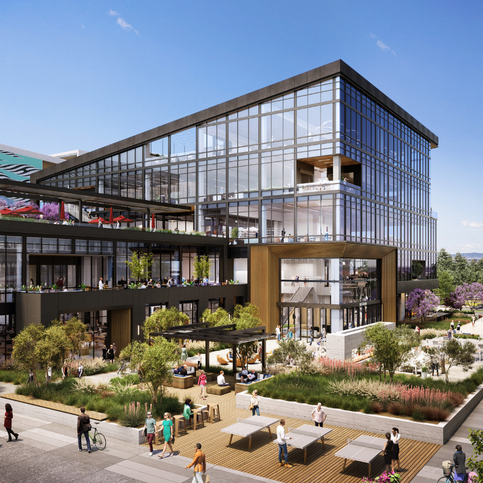
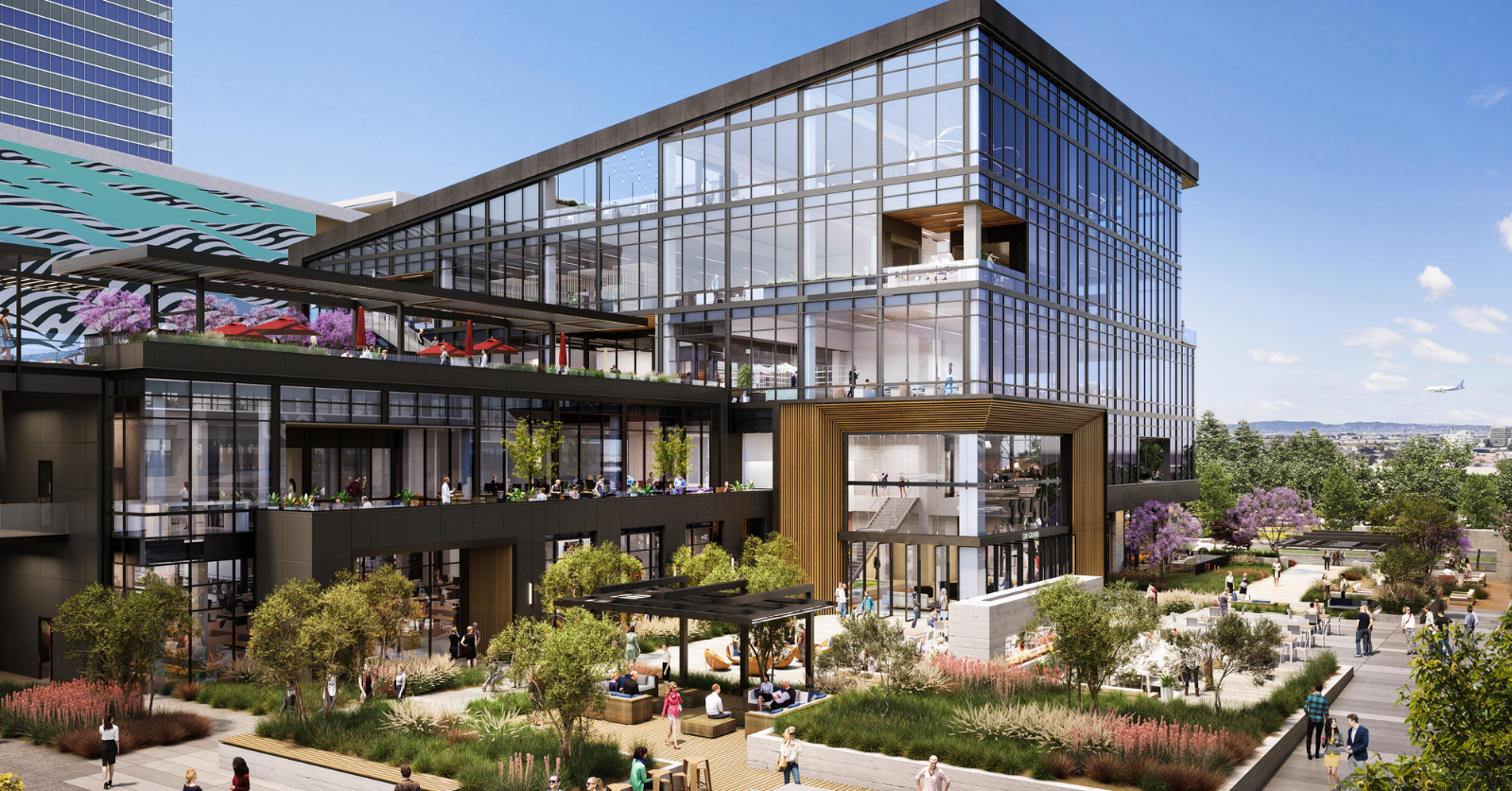
Mixed-use is not new. In fact, it is one of the oldest development models. Communities have blended living, commerce and gathering spaces for as long as people have lived in cities. What is changing today is how we define “mix,” and what it takes for these environments to truly thrive.
Success in mixed‑use has always depended on a delicate balance of factors within a developer’s control, and many far beyond it. Scale, context, and the level of urban intensity shape these projects from the start. It is easy to imagine a vibrant mixed‑use district in the heart of a city, but the concept also fits just as well in the suburbs and even in ex‑urban settings. (A roadside farm stand is, technically, mixed‑use in its purest form.)
Across Southern California, the spectrum is wide. Los Angeles alone offers marquee examples, from Americana at Brand to Metropolis to The Grand LA, where density, tourism and foot traffic set the stage for vertical integration and constant activity. Meanwhile, suburban destinations like Irvine Spectrum and Fashion Island embrace a more horizontal blend of uses: walkable, synergistic environments where the proximity of shops, restaurants and entertainment creates energy all its own.
As Merriam-Webster puts it, “mix” means to bring things into close association, and that proximity, thoughtfully orchestrated, is the magic behind memorable mixed‑use. When I teach this topic to graduate students, I describe the difference: vertical mixed‑use is a Dagwood sandwich; horizontal is a bento box. Both can be delicious, but the ingredients, structure, and impact vary dramatically.
The Challenge of the One‑Off Building
Where things get tricky is the single-building mixed‑use development, with the ground-floor retail paired with multi-story housing above. The design challenges are real, but the bigger question is performance: Will retail succeed? Will it activate the sidewalk? Will it be an amenity or a liability?
Before the pandemic, the formula felt predictable. Today, that certainty is gone. Many urban cores are still clawing back from the wave of shuttered storefronts that rewrote the ground-floor retail playbook. The need for tenants who genuinely contribute to street life, and not just occupy space, is greater than ever. This is where horizontal mixed‑use holds a natural advantage. When retail underperforms, it does not visually deaden the residential community above. And when people live at street level, the lights stay on even if the vibrancy does not always follow.
Reimagining Retail Anchors: The Mall as a Mixed‑Use Laboratory
A bright spot in the last decade is the evolution of the regional mall. Across the country, developers are rethinking these massive sites not by adding more retail, but by reducing it. As online shopping reshaped consumer behavior, many malls faced a reckoning. But rather than fading away, some have transformed. By trimming excess retail and shrinking oversized parking fields, they have unlocked valuable land for multifamily housing and public space.
Main Place Mall in Santa Ana is one compelling example. Lowe Enterprises strategically reduced retail square footage, introduced multifamily communities on former parking zones, and recalibrated parking ratios, eliminating the need to backfill lost spaces with costly new structures. The result: new housing, built-in foot traffic, and a revitalized ecosystem where people live steps from shops and amenities. These mall redevelopments illustrate the power of scale. On a site spanning dozens of acres, a cohesive urban design framework can weave together housing, retail, food and beverage, entertainment, pedestrian movement, and critically shared public open space. The modern “town square” has returned, often programmed with events, markets, performances, and celebrations that breathe life into the entire district. This is mixed‑use at its fullest expression: a place where people choose to gather, linger and connect.
Why Experience Is the New Currency
Every successful mixed‑use environment contains something ineffable: a spark, a vibe, and energy. Call it experience, call it culture, call it “the thing that makes a place cool.” Whatever the label, it has become a defining ingredient. Programming can fuel this: concerts on the lawn, pop‑ups in the plaza, morning yoga, seasonal markets. Sometimes the energy is planned; other times, it is organic. Places become “hot” for reasons no formula can predict and unavoidably cool down again.
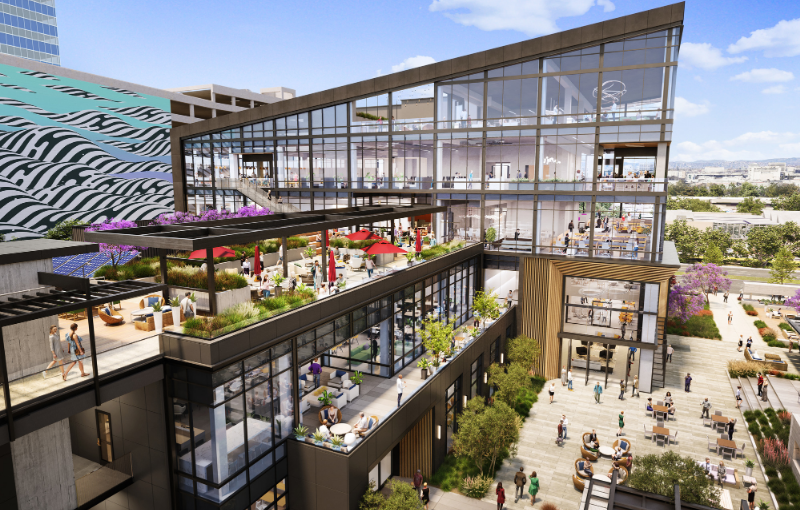
What matters is the opportunity for spontaneity. That, once again, ties back to scale. A stand‑alone mixed‑use building often lacks the breathing room to create these shared communal moments. When the only open space is the sidewalk or a scattering of cafe tables, vibrancy relies entirely on tenants. The pandemic briefly expanded these boundaries when cities allowed restaurants to spill into the public realm, and the results were often magical. It is a shame how quickly some jurisdictions walked back.
Looking Ahead
Mixed-use has always been practical, flexible, and deeply rooted in how people want to live. The fundamentals have not changed, but the past decade has tested them harder than any other period in recent memory. What we are seeing now is a recalibration, a renewed emphasis on proximity, experience, walkability, and the emotional connection people feel to a place.
Larger-scale environments will continue to deliver this most reliably, but smaller infill projects can succeed when they plug into the right ecosystem. Mixed-use is not going anywhere. If anything, it is being reimagined, layered with intentional experience, forged through strategic collaboration, and grounded in the simple truth that people want to live near the things they love.