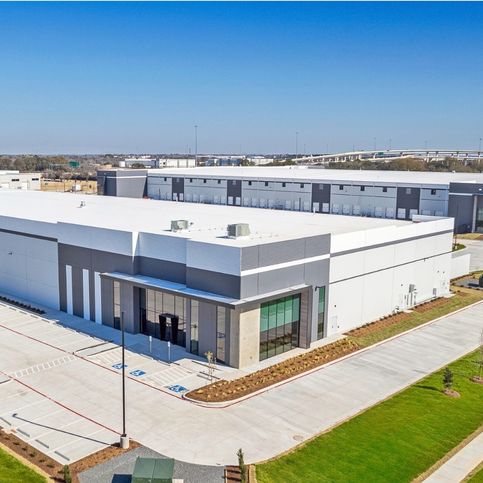
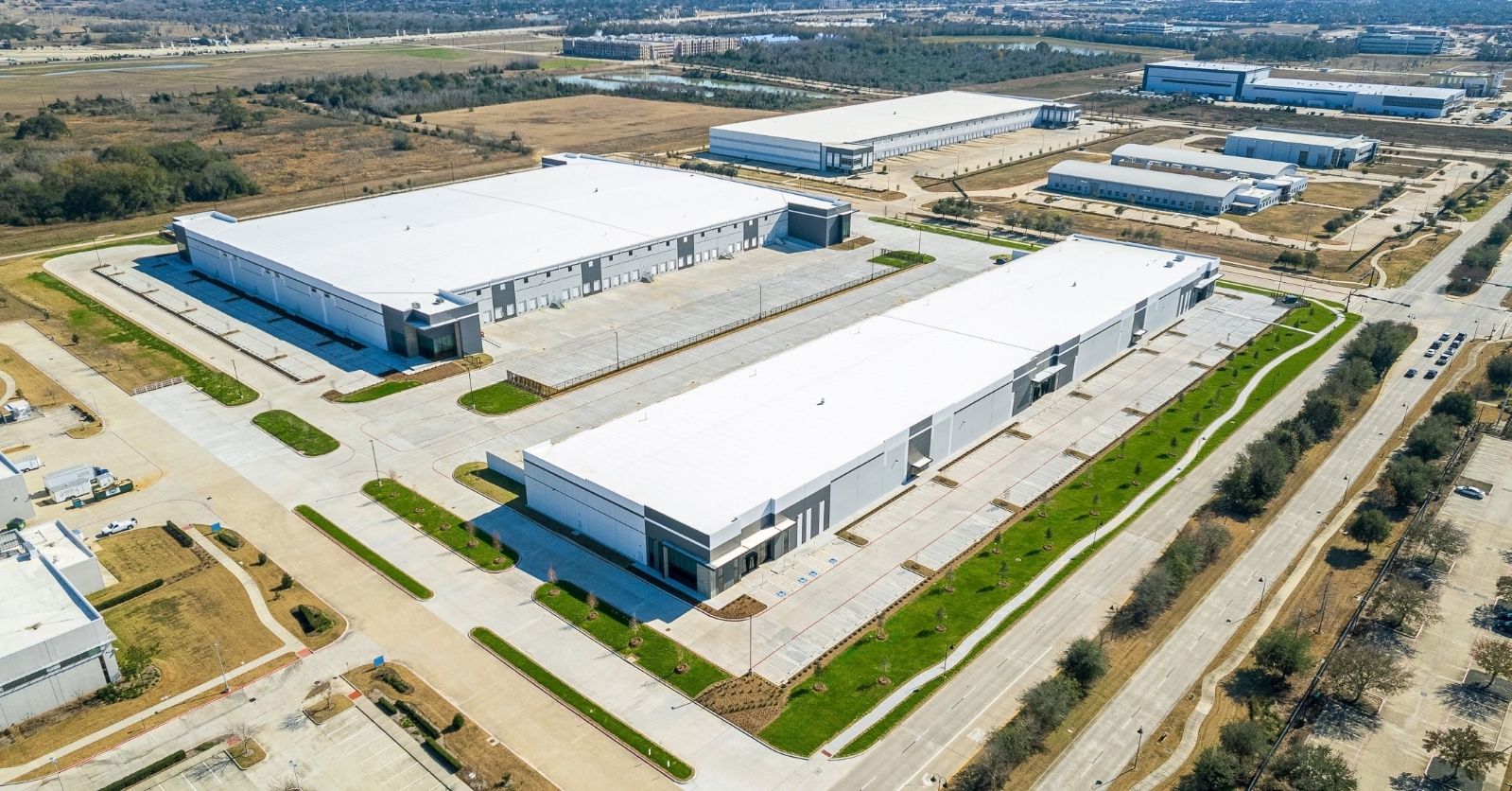
Industrial development is no longer defined by how quickly we can move products. The next industrial era has already begun. For the past decade, e-commerce and distribution have fueled much of the industrial sector’s growth, but as new developments are being made, the next wave will be driven by a broader set of forces. Understanding these trends is critical for organizations to stay ahead in an increasingly competitive environment.
The Next Industrial Era:
As we enter the new industrial era, five key forces are emerging as the primary drivers reshaping development, manufacturing and logistics through 2030 and beyond.
1. Manufacturing Resurgence
A new focus on domestic manufacturing is creating significant opportunities across the industrial sector. The next wave of industrial development will be driven by manufacturing growth, reshoring initiatives and specialized production facilities. This shift is fueled by the deglobalization and growing concerns over the risks of relying heavily on offshore manufacturing and complex global supply chains. These vulnerabilities became acutely apparent during the COVID-19 pandemic, when access to materials and components was severely limited. As a result, the next wave of manufacturing will be different. This is prompting companies to seek greater supply chain resilience through domestic production. Facilities are serving not only as a storage and distribution function, but a critical component of the production process itself.
2. Power as a Location Driver
Automation, data processing and electrification are continuing to expand, creating an increasing need for power. It is important to acquire and entitle sites that have documented utility capacity, expansion timelines and energy alternatives. Reliable access to power is very important when selecting your site and facility planning. As industrial users become more dependent on automated processes, power availability will increasingly influence where companies choose to locate and expand.
3. Automation & Facility Intelligence
Industrial buildings are evolving into highly automated, data-driven operating platforms rather than simple storage facilities. Facility intelligence and automation allow for faster operations and inventory movement. The future of manufacturing and logistics is automated. Facilities built to support that shift today will win tomorrow’s competition. In a recent project, our team worked alongside Schneider Electric to create a new facility that meets its diverse operational needs. Through the automation of constant quality control and accuracy testing, Schneider Electric will continue to stay committed to their goals of innovation, sustainability and excellence.
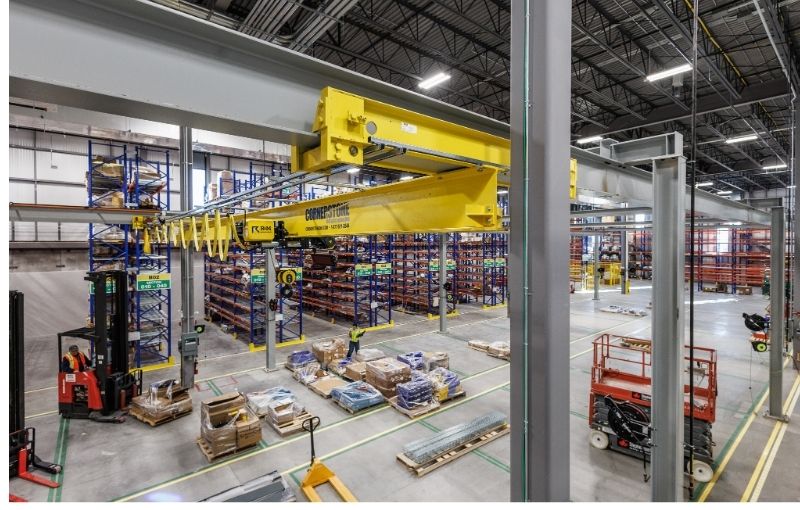
Automation in facilities can take on many forms, from intelligent production monitoring that minimizes downtime to advanced material handling systems and packaging systems that reduce labor demands and improve accuracy. It can also include automated inventory tracking to boost warehouse efficiency or smart buildings that support efficient energy usage. No matter what form it is, automation can create more adaptable facilities that are more prepared for the future.
4. Workforce Centered Design
Despite the continued push into more automation and robotics, industrial distribution and manufacturing centers are still major hubs for employment. The most successful facilities are those that help manufacturers attract, retain and support an increasingly competitive workforce. This includes amenity spaces like outdoor sport courts, patios and walking paths during rest periods or lunch breaks. Amenity additions, high-quality spec suites, retail integration, HVAC improvements and enhanced services can dramatically impact these retention rates.
5. AI-Enabled Development
AI is transforming how industrial projects are planned, designed and built. It is important to optimize AI through your entire development lifecycle by efficiently streamlining operations. AI isn’t a threat to your team. It’s a force multiplier. Teams that learn to work with it spend less time on repetitive tasks and more time on strategy and innovation.
Where We Are Going
Industrial demand is evolving, and so must the buildings that serve it. The focus is moving from manufacturing and automation to cold storage, data centers, and specialized use, which calls for future-ready packages that go beyond speed to market, with configurable automation, enhanced power and ventilation, cold storage, and sustainability upgrades.
As the leasing velocity has normalized, tenants are no longer securing a space at any cost. With rent returning to more moderate and sustainable growth levels, tenants are taking a more strategic approach to real estate decisions and seeking facilities that offer additional long-term value. As a result, it is important to prioritize infrastructure for qualified submarkets rather than simply pursuing high growth in market locations. This includes deepening land holdings in markets where owners already have strong operating capabilities, preserving strategic positions in major coastal infill logistics markets and considering smaller strategic sites near larger manufacturing campuses.
Supply and demand are finally beginning to rebalance, creating opportunities to engage with tenants early on to create more effective build-to-suite style facilities. Demand for these specialized facilities is driven by growth in semiconductor manufacturing, pharmaceuticals, aerospace, defense and other sectors of advanced manufacturing. These industries all have unique operational requirements that need earlier conversations around power capacity, process loads, automation, workforce and their carbon requirements.
Manufacturing, cold storage and high-power improvements should generally be tenant driven or incorporated as modular options that can adapt to evolving operational needs. As these industries continue to expand, it is important that these new facilities help create domestic production growth and drive this as a long-term market to create economic value for both businesses and communities.
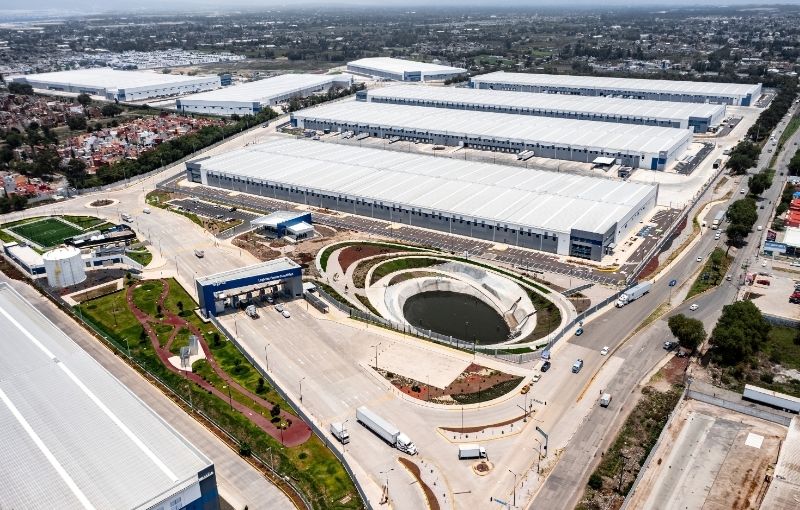
A.I. Across the Industrial Development Lifecycle
AI is a continuous conversation specifically centered around how to use it efficiently and ethically. Across our teams, it is important that AI is implemented to generate speed and efficiency in this increasingly competitive environment. The importance of establishing clear strategies and training programs is critical to properly leverage the tool. Failure to do so results in uncontrolled AI use that could expose confidential information, create inaccurate work products or weaken documentation integrity.
Beginning with the planning process, AI can be an asset to help quickly evaluate sites, conduct scenario testing and market research. It takes time out of the process while delivering the same project result. During the design phase, our team uses AI for rapid concept studies and test fits. It is important that AI is there for efficiency but is not taking away from human design and innovative decision making. We also use AI for document reviews, quality control and evaluation of project data. It’s important to emphasize that strategy and decision making for the client stays in the hands of the Ware Malcomb team members.
How to Be Future Proof in Industrial Development
Flexibility is the foundation of successful industrial development. Buildings designed to adapt can serve a wide range of users, today and tomorrow. This is seen in many different forms. Having spaces designed to support a single tenant or a moment in time is not resilient enough to adapt to what comes next. Industrial facilities equipped for the future begin with the building itself. Clear height 42’ or more, thoughtfully planned office location and truck courts sized to accommodate evolving logistics provide adaptability as the demands change. Utilities such as power, fiber and water are important to have well equipped for long-lasting sites. It is pivotal that when choosing sites not only do you look at land availability but make sure the site can support the power infrastructure and energy demands. Success isn’t built on steel and concrete alone. It’s built on the people who work within them. As labor demands evolve, forward-thinking developers will prioritize wellness and flexibility to attract and retain the industrial workforce of tomorrow.
However, true value lies in the sustainable practices that support it. Solar ready roofs, low carbon concrete and EV charging stations are all important design decisions that will help create an eco-friendly industrial development.
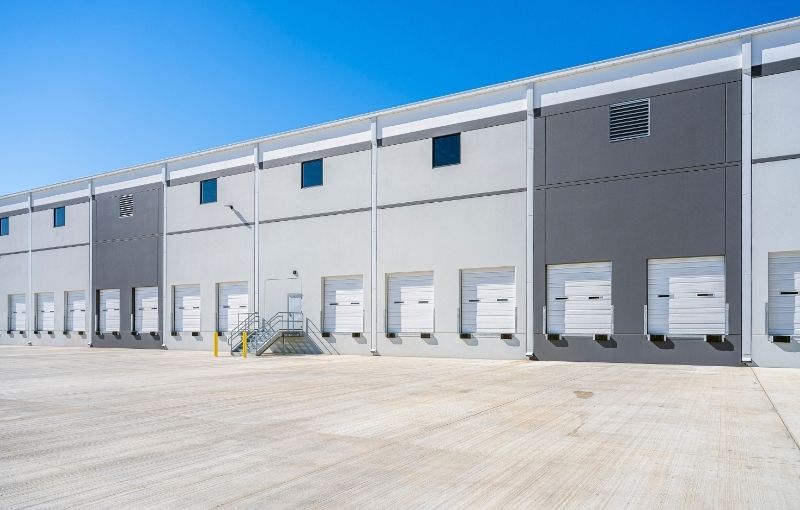
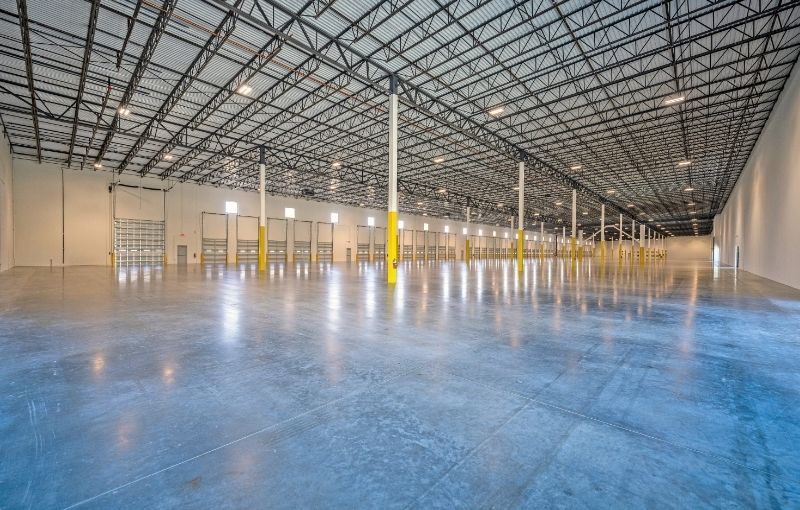
Readiness for every scenario is impossible, but preparing to adapt is not. By building in flexibility and diversifying your sources, you protect your ability to deliver when change arrives. Insurance is pivotal to addressing risk mitigation and better positioning organizations to protect their assets. Standardized adaptability features such as conduit for future EV chargers, K-brace clearances, office blocking, ventilation pathways and clerestory criteria can help enable future operational and sustainability requirements with minimal disruption. Designing for future electrical capacity is important, but it is also important to acknowledge that all the equipment doesn’t necessarily need to be installed on day one. Establishing a baseline specification for all new projects will ensure that you are able to evolve and upgrade as time goes on. These include creating power, automation, carbon and cold upgrade packages that can be deployed when market conditions or tenant demand warrant it.
The race to 2030 has already begun. The organizations that thrive will be the ones making future-ready decisions today.