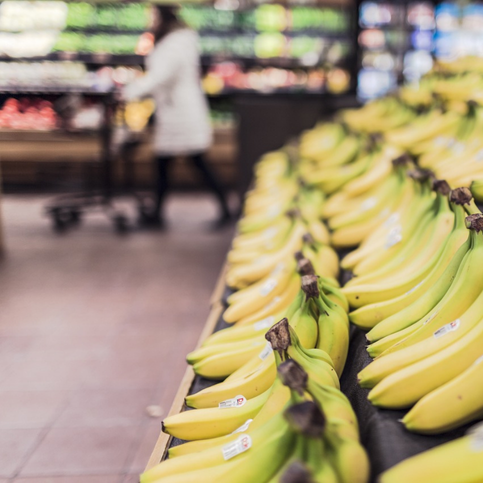
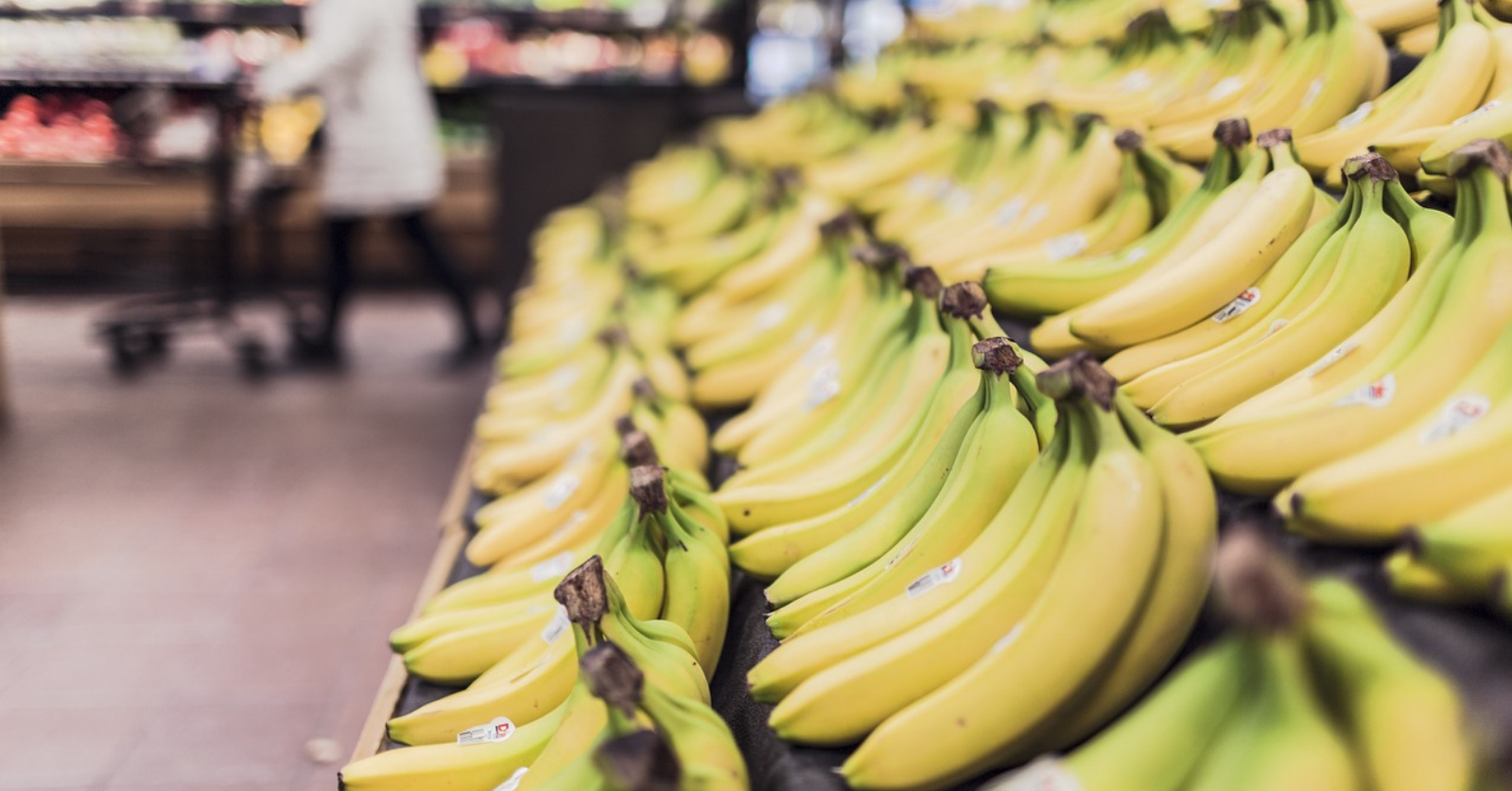
When you walk into a grocery store, what is the first thing you see? If you head to the produce section, what is prominently displayed that first catches your eye? Chances are, it’s the bananas.
Bananas play a key role in grocery store success. According to the various grocer clients Ware Malcomb works with, bananas are a quality marker for the entire store and the number one volume item in the produce department. Not only is the quality of bananas important but so is the location in the grocery store. The banana displays need to be one of the first items seen and must appeal to the customer – which means they need to have varying degrees of preference for purchase between semi-ripe and ripe (Produce Business).
The best way to illustrate the importance of the supply chain is to follow a banana through its growth and harvest stages and eventually to the final consumer. We’ll highlight how industrial cold & food facilities play a key role in getting produce, namely bananas, safely and efficiently to consumers.
Growth, Harvest & Sorting
The leading banana-producing countries include India, China, Indonesia, Brazil, Ecuador and the Philippines. The worldwide banana market is expected to grow to $76.76 billion by 2030 (Eximpedia). Tropical sun, humidity and rainfall unite to make the ideal climate to grow bananas.
The entire harvest-to-container box process is only about 2-3 hours. Most bananas are harvested while they are still green to offer the final consumer a variety of ripeness options.
Next, the bananas typically go through a quality assurance and selection process, and packaging, before leaving the facility.
Ride to the United States/Destination Country
The next part of the supply chain takes the bananas to their destination country. The shipment arrives at the port and gets separated and shipped to multiple locations. Whether it is Dole, Chiquita, or various other companies, grocers rely on these distribution facilities to get bananas into their own supply chain networks. While in transit, the bananas are kept at specific temperatures typically ranging from 13 – 14°C to avoid premature ripeness and chilling.
Port Stop
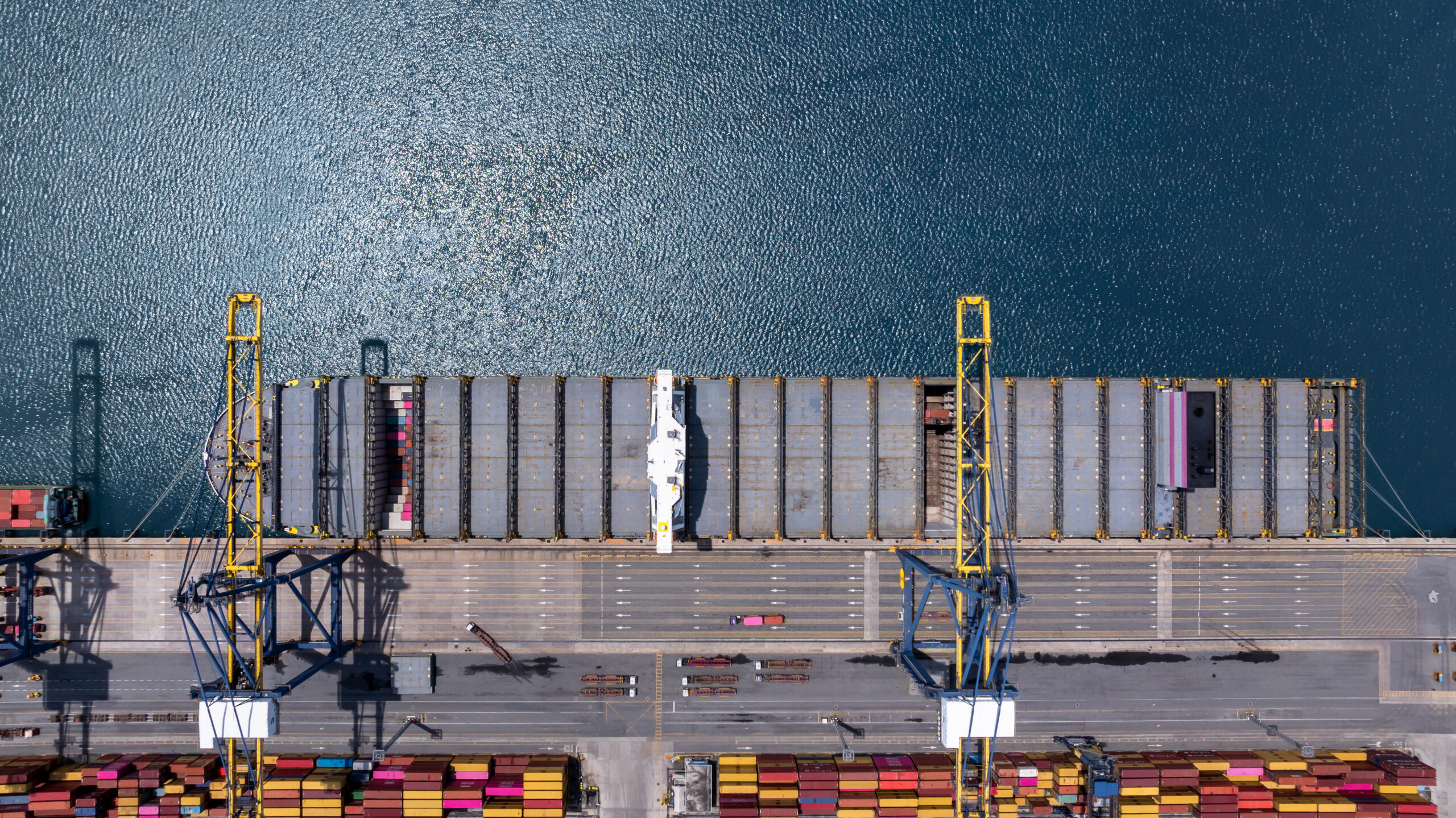
The bananas reach their destination country. If the destination is the United States, the largest amount of bananas are greeted in Delaware at the Port of Wilmington, with companies like Dole and Chiquita using this location as their Mid-Atlantic distribution hub (Port Wilmington). Wherever the port is, the shipping containers are unloaded at transload facilities. Transload facilities will unload containers and put them on box cars or trailers and then distribute.
Transload facilities are small warehouses designed to serve as a platform to unload shipping containers and offer racks for container storage. These facilities are usually rail-served and trailer served. Large quantities of goods are unloaded quickly and efficiently to send throughout the United States.
Dole and Chiquita have their own transload facilities at ports around the United States, and other transload companies operate to distribute smaller shipments of bananas. We have experience working with transload operators to design efficient distribution facilities that are truck and rail-served.
Grading, Sorting and Holding
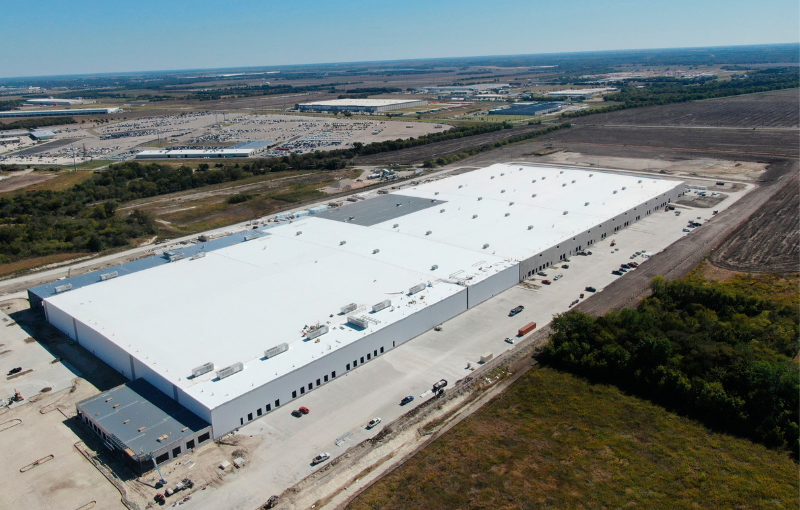
Upon delivery to grocery distribution centers, bananas are inspected to determine grade and average ripening speed. Determining the grade of the banana allows the grocers to tell how fast the fruit is ripening and helps in scheduling the proper ripening cycle.
The bananas are stored at approximately 55°F and kept separate from other fruits and vegetables. This separation prevents exposure to ethylene gas, which bananas naturally emit. This helps control the ripening process and maintain freshness.
The bananas undergo another quality assurance check after the holding stage before making their journey to the ripening chambers.
Ripening
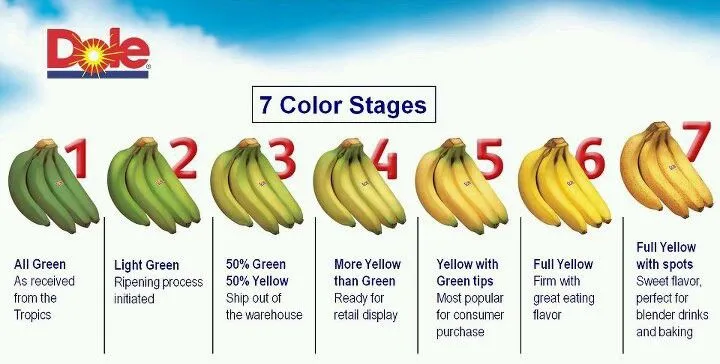
Banana ripening chambers within the grocery distribution facilities allow grocers to control the banana ripeness for delivery to stores based upon volume.
These very specialized 55°F chambers are designed to remove all oxygen, pump in fresh air, and slowly release ethylene to control the amount of ripeness in the bananas. Similar chambers can be used to ripen avocados, pineapples and guava.
In an average grocery distribution facility, you may find 10-15 chambers. Each costs approximately $150,000 to design and construct, all-inclusive with electricity, floor drains, washdowns, racking, IMP walls and a walkable ceiling. The walkable ceiling allows workers to walk on top of the chamber to oversee operations and service equipment that needs to be maintained. Experienced personnel are required to maintain and operate these chambers due to the specialized requirements. They are typically managed by an outside company and then the room is leased to the grocer.
We partner with our grocer clients to design facilities to accommodate for their future growth. As a grocer grows into the market, we’ll design distribution facilities, complete with ripening chambers, to allow their footprint to expand easily, without major modifications to the facility. Since we understand the market, we can help our clients adjust the number of ripening rooms needed based on an analysis of the produce turnover.
After the bananas ripen, they undergo yet another quality assurance check.
Distribution to Grocery Stores
From a distribution standpoint the delivery of bananas to end grocer retailers is similar to other produce products.
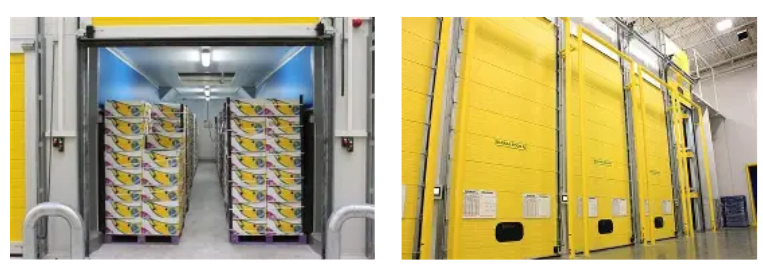
There are separate docks for produce at distribution centers, which are held at 55°F, compared to the typical cold dock which is held at 34°F for all non-produce products.
The entire banana shipment is wrapped in plastic. Once intermixed on trucks, this avoids further ripening from occurring. Banana shipments are transported together with only bananas, while other produce can be mixed on the trucks.
Because bananas are a low-priced product sold in high volumes, even small changes in supply or pricing can have a significant impact on the market. Grocers sell bananas in such large quantities that any disruption in shipments can affect their overall economic strategy.
The Journey Ends in a Lunchbox
What happens next? Maybe a family goes to the grocery store, buys the bananas, and they get a ride to school in a lunch box before they are eaten. (Bonus points if the banana peel is composted, so the lifecycle can start all over again.)
Whether we’re discussing bananas, other produce, or any grocery item, the role cold/temperature-controlled buildings play in the supply chain cannot be understated. Ware Malcomb is an industry leader in this sector, having designed facilities for KEHE Grocery distributors, Preferred Freezer, Services Sysco, ARYZTA, Golden State Foods and many more.
We understand the complex requirements of cold building construction, whether ground-up or renovation. We follow developments in refrigeration systems, materials handling and fire suppression systems so we can best advise our clients on an integrated design approach. Our team of professionals keep informed on the latest food and pharmaceutical safety requirements from the FDA, USDA, Health Departments and auditors
We continually study the advances in the design of state-of-the-art buildings. We utilize research and real-world experience to stay abreast of the latest developments in technology, trucking, rail, automation and third-party logistics. Our team utilizes this knowledge to design innovative buildings that are highly functional. We incorporate the optimal combination of first utility and life cycle analysis in our designs to maximize long term real estate value for our clients.