For much of the past five years, the office sector has been in sharp decline. Post-pandemic narratives focused on remote work, shrinking footprints, and historically high vacancy rates painted a bleak picture for the future of the office market. In 2026, a very different and far more nuanced reality is emerging.
The office market isn’t disappearing. It’s recalibrating. At the center of that recalibration is a renewed demand for Class A office space.
Post-COVID Didn’t Kill the Office – It Exposed Its Weaknesses
The COVID pandemic didn’t create the office market’s challenges; it accelerated and unveiled them. Long before the 2020 shutdowns, many markets oversupplied office product, often in the wrong locations and lacking the quality today’s workforce expects. Rapid tech-sector growth masked those issues for years. When that growth slowed, and remote work became widespread, underlying problems surfaced quickly.
Much like retail before it, office real estate entered a moment of reckoning. Tenants gained leverage, vacancies climbed, and it became clear that not all office spaces are created equal. The resolution has been a market-wide sorting process, one where quality, experience, and location matter more than ever.
Flight to Quality Is Reshaping Demand
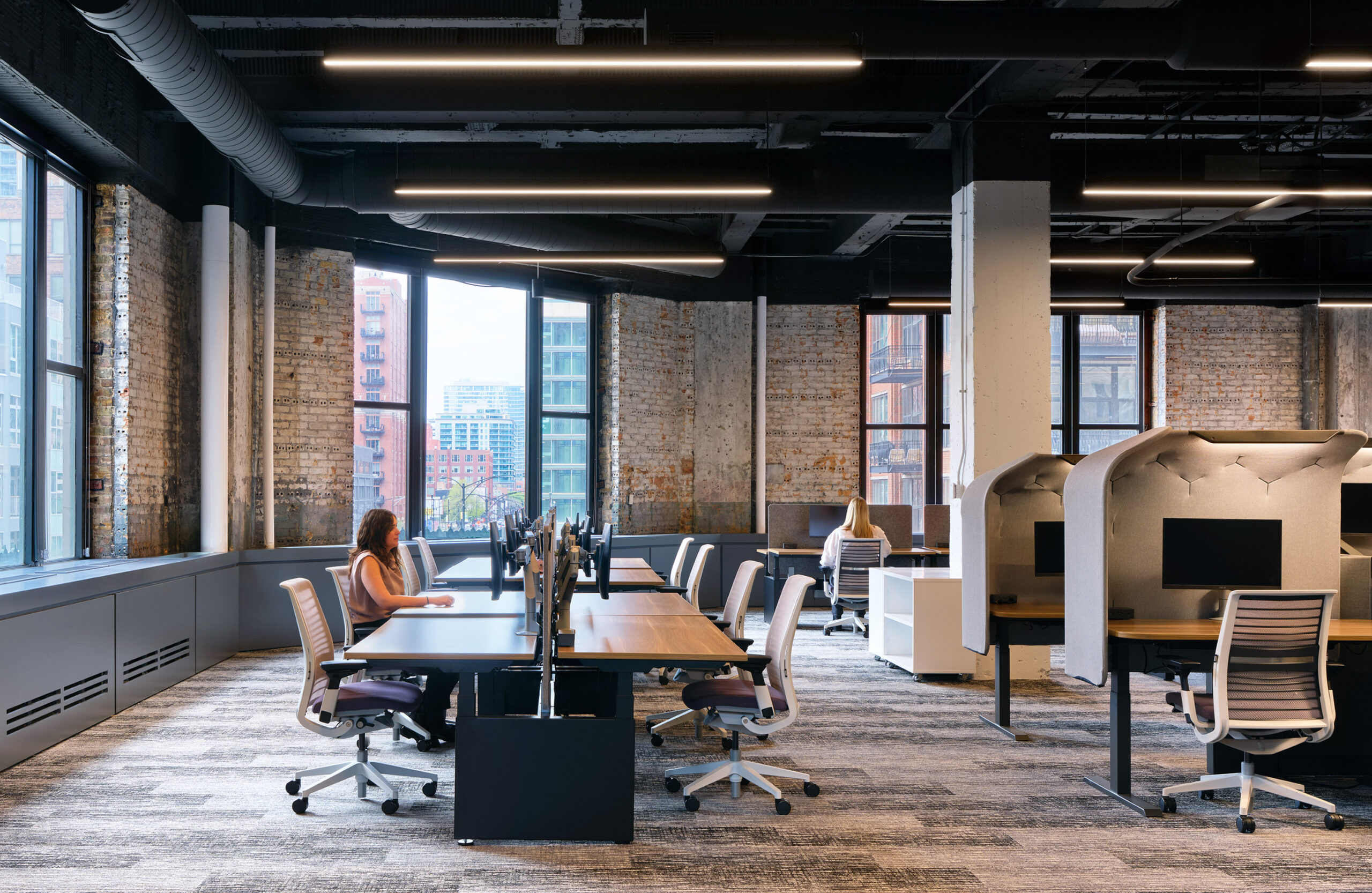
Across major U.S. markets, tenants are gravitating decisively toward Class A environments. This transition is an intentional shift. Companies today are often leasing less square footage than they did pre-pandemic, but they’re choosing enhanced buildings in more desirable locations.
Office space has become a strategic incentive for attracting and retaining talent. With competition for skilled labor still high, employers need environments that encourage people to come in, collaborate, and stay engaged. That means access to amenities, proximity to transit and services, and workplaces that feel purposeful rather than obligatory.

In core, high-performing submarkets, think Century City, Bellevue, Manhattan, the Bay Area, top-tier buildings are achieving 90%+ occupancy and commanding some of the highest rents in the country. Meanwhile, lower-quality assets continue to struggle or are being repositioned, converted, or removed from the market altogether.
The Rise of the Experiential, Mixed-Use Office
Today’s Class A office is no longer a standalone building; it’s part of a broader ecosystem. Successful projects are often embedded within true mixed-use environments, offering seamless access to residential, retail, dining, wellness, and transportation.
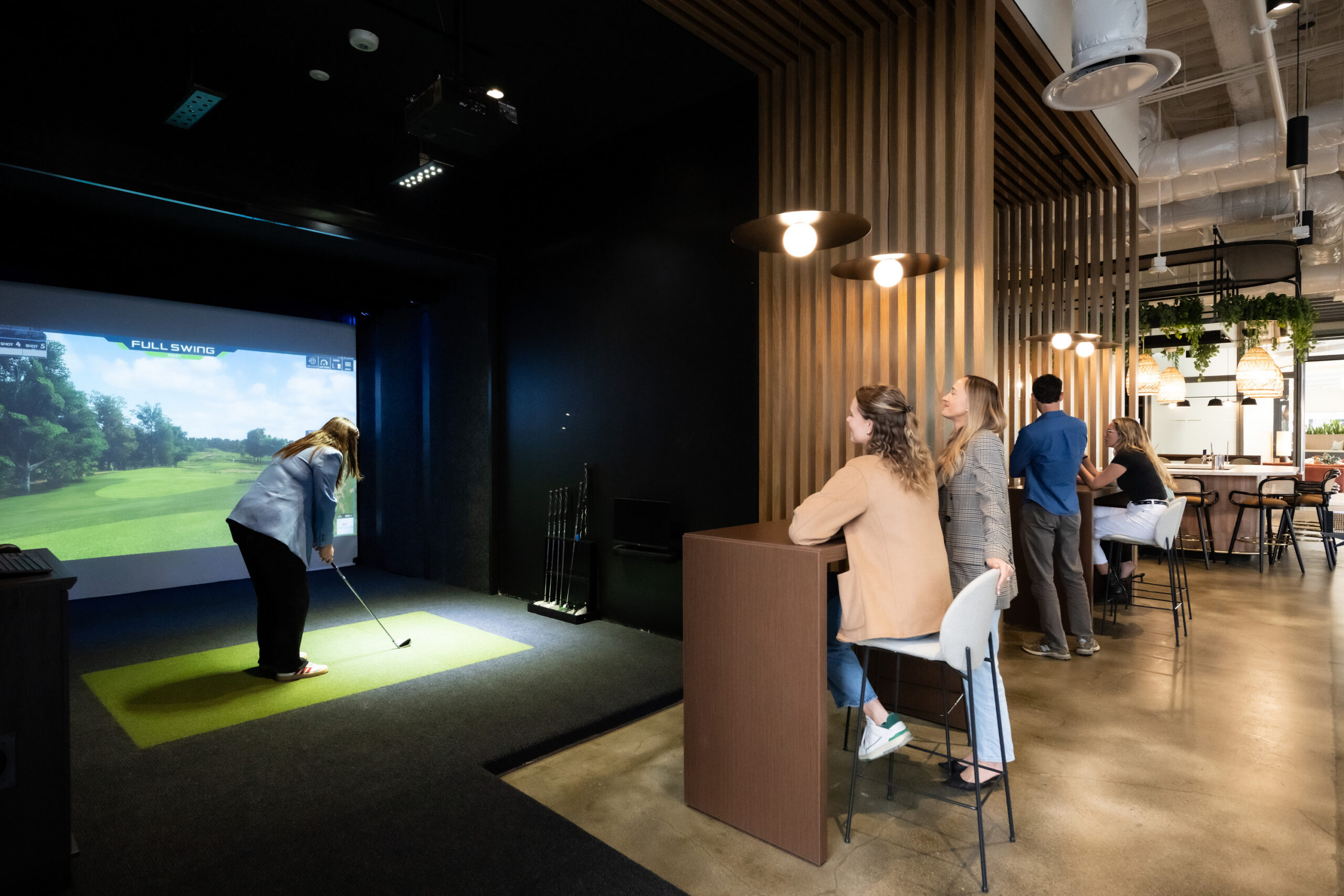
Inside the building, experiential design has become table stakes. Large-scale fitness centers, outdoor terraces, hospitality-driven lobbies, conference and amenity floors, cafés, and concierge services are no longer “nice to have.” While amenity packages vary by market and tenant profile, the common denominator is quality of space, materials, finishes, and experience. There is a new standard, and it is here for the long haul.
Ground-Up Development vs. Repositioning: Two Paths Forward
As vacancy tightens in top-performing micro-markets, opportunities are emerging to deliver new Class A office product, but only in the right places and in the correct ways.
Ground-up development makes sense where land or redevelopment opportunities exist and where demand fundamentals are proven. Several projects delivered recently, but planned years ago, are already nearing full occupancy, demonstrating that the market will absorb high-quality space when it’s well located and thoughtfully designed.
At the same time, repositioning and conversion will play an equally important role. Many Class B assets, particularly those near strong mixed-use districts, can be transformed into competitive Class A environments through targeted investment. Upgraded finishes, amenity additions, high-quality spec suites, retail integration, and improved services can dramatically reposition a building’s value and appeal.
The most successful strategies will likely combine both approaches, selective ground-up development paired with tactical repositioning.
Speed, Strategy, and Market Precision Matter More Than Ever
A defining challenge facing office development today is timing. Few office projects have advanced through entitlements over the past several years, potentially creating a supply gap as demand for Class A space strengthens. That is particularly through when factoring in the millions of SF slated for demolition or conversion, which will drop vacancy rates significantly in the next few years. Owners and developers who can move quickly, navigating zoning, entitlements, and design with precision, will be best positioned to deliver space at the right moment.
Importantly, success and performance are defined at a hyper-local level. Micro-markets with the proper assortment of amenities, transit access, and proximity to talent are where Class A office is thriving. Building a great office in the wrong place is the fastest path to underperformance.
A Shift in the Investment Mindset
Another notable evolution is how owners are thinking about office assets. Class A office is being viewed as a long-term, cash-flow-driven investment rather than a purely speculative, exit-driven play. Owners are investing more upfront, often operating amenities directly, to ensure consistent tenant satisfaction, retention, and rent performance over a period of time.
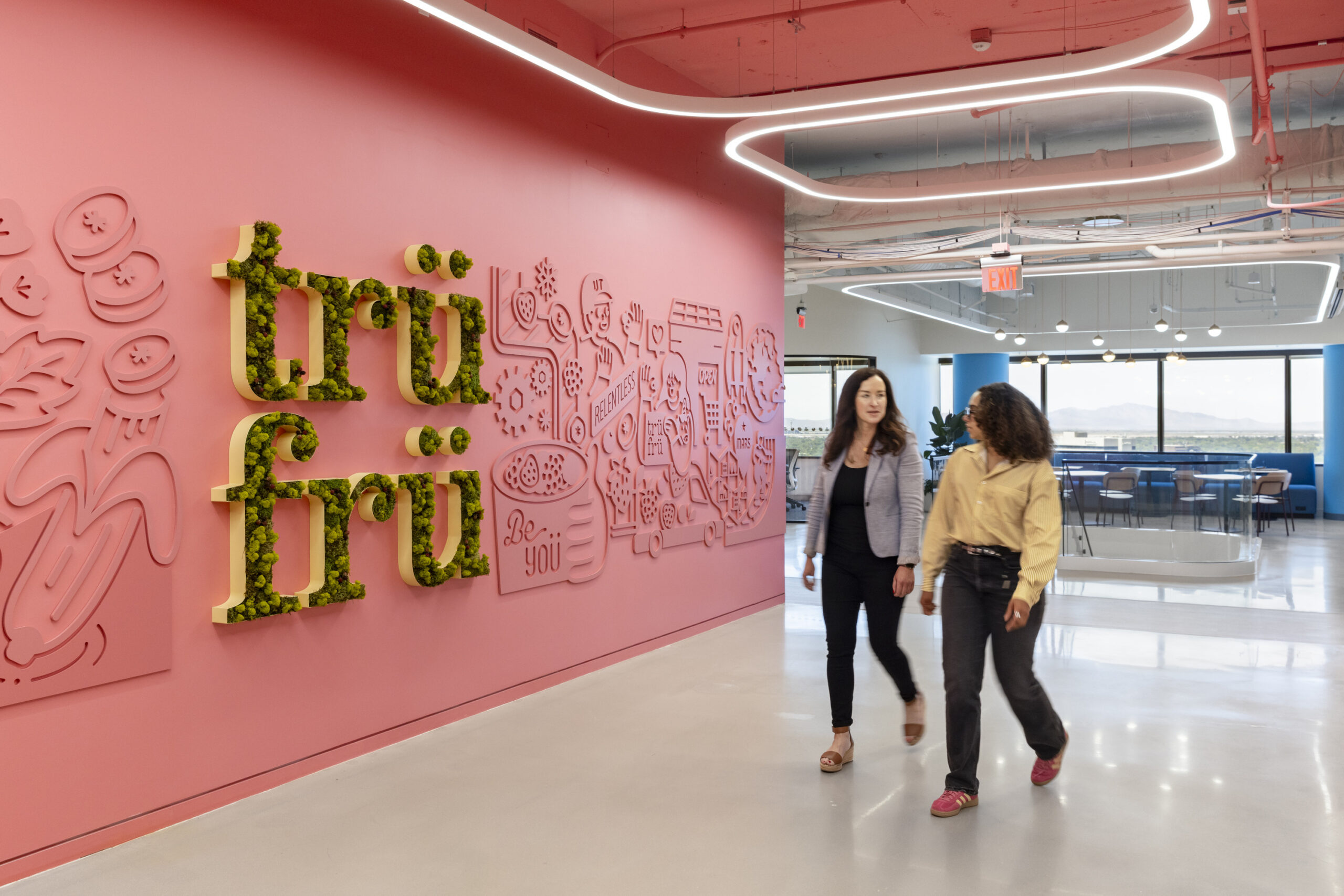
This operational mindset inherently correlates with high-quality design and reinforces the long-term value of well-executed Class A spaces.
Looking Ahead to 2026
As companies finalize long-deferred real estate decisions and leases come due, the market is entering a new era. While footprints may be smaller, expectations are higher than ever. Tenants are ready and willing to pay for quality, experience, and location, and they’re leaving behind spaces that no longer serve their needs.
The future of the office is Class A. Not everywhere. Not indiscriminately. But in the right micro-markets, with the right vision and execution, demand is not only returning but also strengthening.
For owners, developers, and occupiers alike, now is the moment to rethink what office space can be, and to act before the rest of the market catches up.