Cold storage design is at a pivotal moment, shaped by automation, shifting supply chains, and the need for long-term operational flexibility. From the growing adoption of robotics and ASRS to project-specific strategies that support multi-temperature environments and future expansion, design decisions today are directly tied to performance and resilience. Looking ahead to 2026, these trends point to a market that remains strong, increasingly customized, and driven by technology-enabled efficiency.
Top Design Trend in Cold Storage Design Being Adopted?
Automation & Robotics
- Automated Storage and Retrieval Systems (ASRS) and robotic picking are becoming more standard in new cold storage construction.
- These systems improve inventory accuracy, labor efficiency, and turnaround times—especially critical for high-throughput environments like e-grocery and meal kit fulfillment.
Recent Project Exemplifying This New Trend?
The Design of a confidential project in Arizona was recently completed and is currently under construction. The facility will service a diversified clientele across the state and multiple platforms.
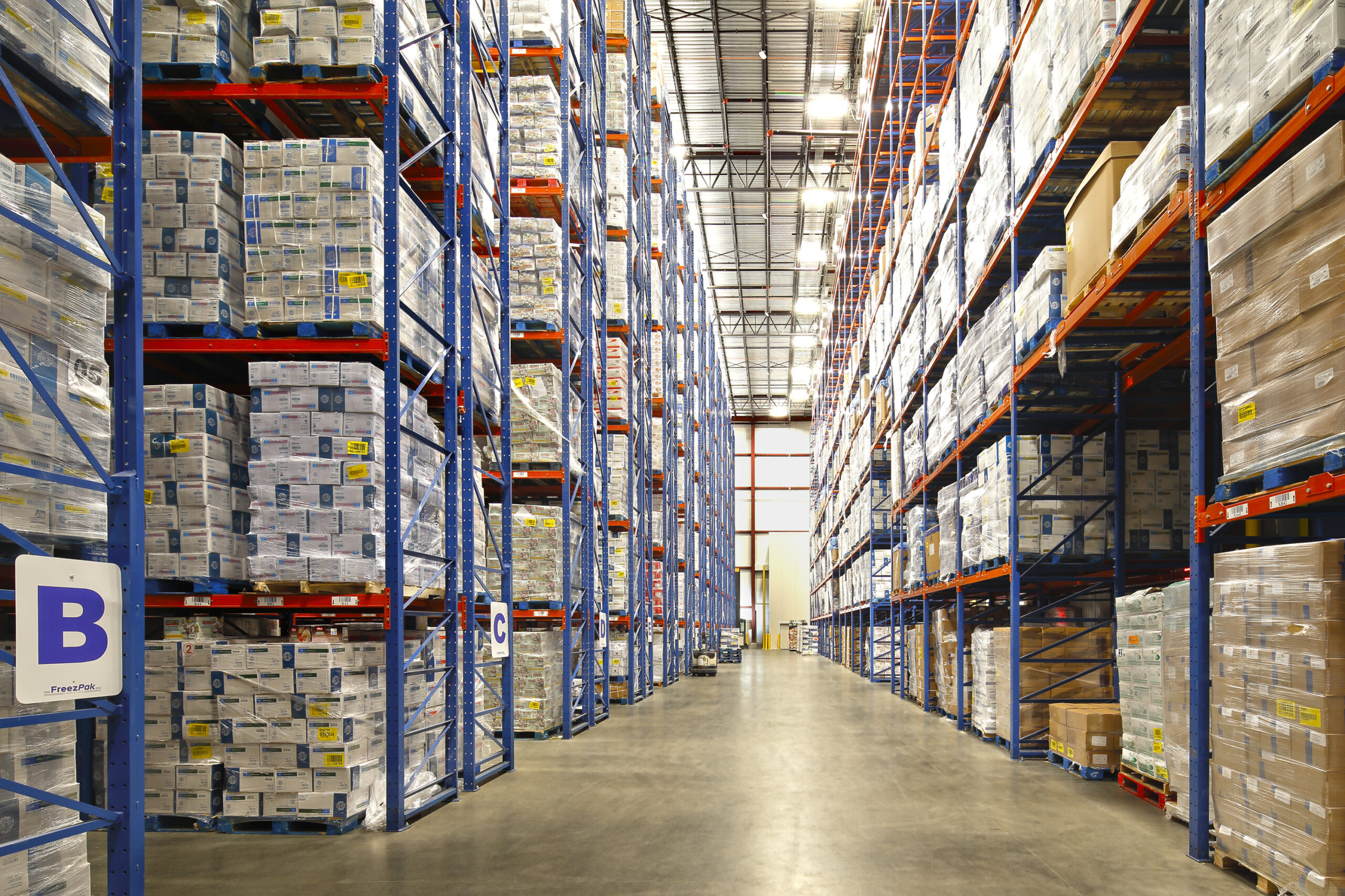
The facility has a Freezer, Cooler with multiple temperature zones and Dry Storage. The product is stored in multiple level racking system and distributed by a conveyor system from a multiple level pick-module. The building has been designed with a flexibility to expand the square footage of each area with infrastructure in place to convert Cooler to Freezer and Dry to Cooler. Sensors are utilized to monitor and control each of the temperature sensitive areas.
What Lies Ahead for the Cold Storage Design/Build Market in 2026
We predict the cold storage design/build market in 2026 to remain strong, driven by several converging trends and structural shifts in supply chains, food logistics, and healthcare. Here’s our prediction based upon our recent deal flow, opportunities and industry momentum:
Market Growth Outlook
This growth is fueled by:
- Rising demand for frozen and fresh food logistics
- Expansion of e-grocery and direct-to-consumer food delivery
- Increased need for temperature-controlled pharma and biologics storage
Key 2026 Design/Build Trends
Spec-to-Suit Over Speculative Builds
- After a pandemic-era boom in speculative cold storage, developers are shifting toward spec-to-suit models to reduce vacancy risk and tailor facilities to tenant needs.
- Expect more customized builds for 3PLs, food processors, and pharma firms.
Automation-First Facilities
High labor costs and workforce shortages are accelerating adoption of:
- AS/RS (Automated Storage and Retrieval Systems)
- Robotic palletizing
- IoT-based monitoring
These systems are becoming standard in new builds, especially in urban or high-throughput environments.
Convertible Temperature Zones
Facilities are increasingly designed with modular, multi-temp zones that can shift between ambient, refrigerated, and frozen—offering flexibility for changing tenant or product needs.
Urban Infill & Micro-Fulfillment
Smaller, high-tech cold storage hubs are being built closer to population centers to support rapid growth.
Looking ahead to 2026, cold storage facilities will continue to prioritize automation-first planning, flexible temperature zones, and purpose-built solutions tailored to specific operators and products. Design teams that integrate robotics, infrastructure adaptability, and advanced monitoring from day one will be best positioned to support evolving supply chains. Ultimately, the future of cold storage design lies in creating resilient, high-performance facilities that can scale and adapt alongside market demand.